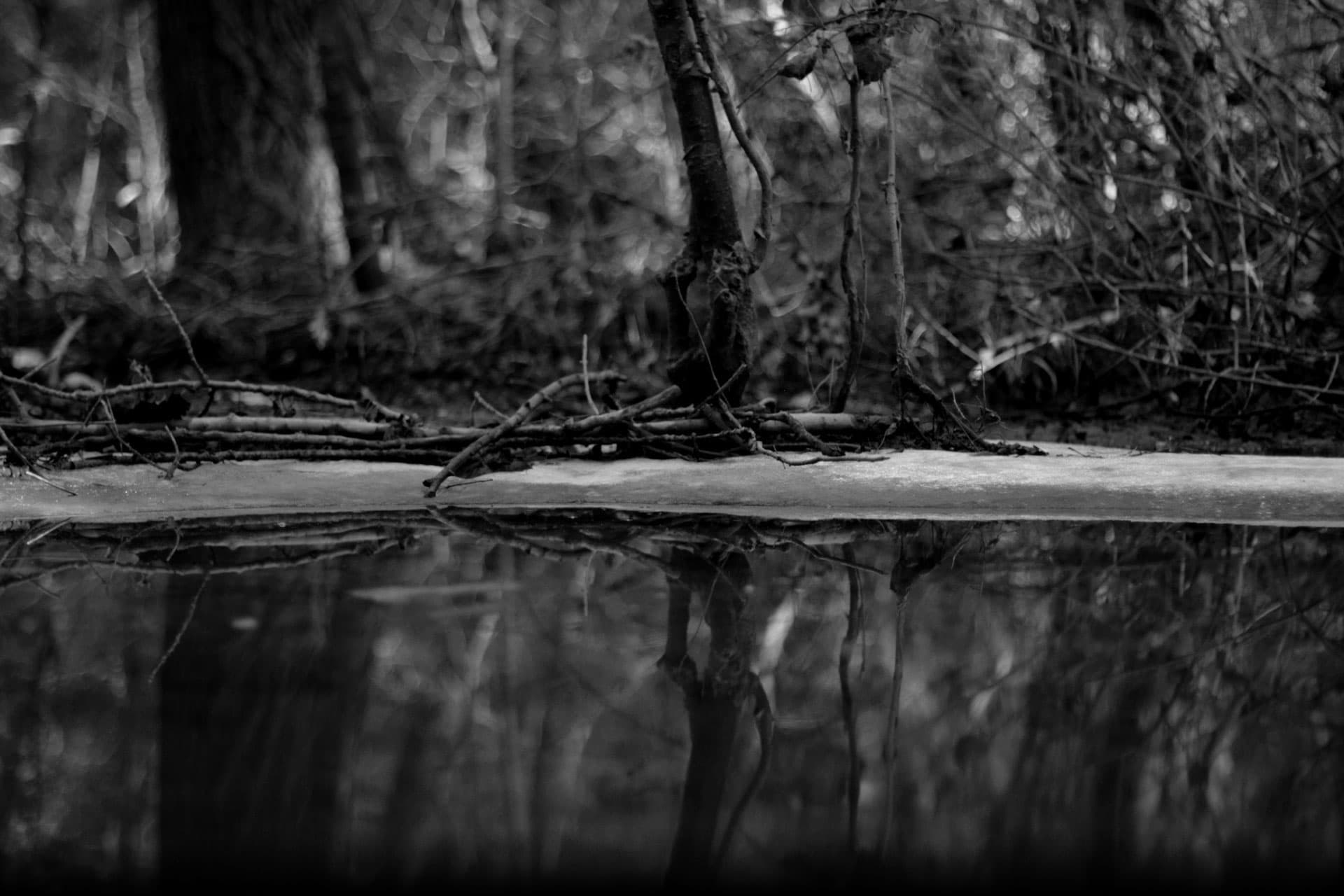
Echoneo-12-26: Romanticism Concept depicted in Postmodernism Style
7 min read
Artwork [12,26] presents the fusion of the Romanticism concept with the Postmodernism style.
As the architect of Echoneo, my ambition is to explore the liminal spaces where art history's grand narratives collide with computational ingenuity. Our latest algorithmic synthesis, located at coordinates [12,26], offers a compelling examination of two seemingly disparate epochs: the fervent introspection of Romanticism and the cool, deconstructive gaze of Postmodernism.
The Concept: Romanticism
Born from the fervent rejection of Enlightenment rationalism and the burgeoning industrial age, Romanticism (c. 1800–1850 CE) championed the primacy of emotion and the subjective human experience. It was an epoch marked by a profound sense of individual alienation and a yearning for a renewed connection with the untamed natural world, often depicted as a source of awe and terror—the sublime.
- Core Themes: At its heart, Romanticism explored the depths of the individual's inner world, emphasizing intuition, passion, and imagination over cold logic. It sought refuge and inspiration in wild, untamed nature, viewing it as a mirror to the human soul and a conduit for transcendental experience. A burgeoning sense of national identity also often intertwined with these individual and natural explorations.
- Key Subjects: Artists frequently depicted lone figures contemplating vast, overwhelming landscapes, drawing parallels between the human spirit and the awesome power of the natural world. Dramatic historical events or exotic scenes, saturated with intense action and profound feeling, also served as canvases for expressing the era's emotional intensity.
- Narrative & Emotion: The narrative often involved an individual confronting overwhelming forces, whether natural or emotional, fostering a profound sense of awe, wonder, melancholy, or heroic struggle. The aim was to evoke powerful, unbridled emotions, plumbing the depths of subjective experience and celebrating the untamed aspects of the world and human imagination, often shrouded in mystery.
The Style: Postmodernism
Emerging around 1970–1990 CE, Postmodernism acted as a critical counterpoint to Modernist ideals, embracing skepticism, irony, and eclecticism. It dismantled notions of purity, originality, and universal truth, delighting in complexity, contradiction, and fragmentation. The movement often utilized humor and pastiche to comment on the nature of representation itself.
- Visuals: Postmodern visual language is inherently fluid, shunning a singular aesthetic. It could manifest as slick and commercial, rough and raw, or playfully kitschy. The overarching visual characteristic is a deliberate subversion of traditional aesthetics, prioritizing commentary and the construction of meaning over conventional beauty.
- Techniques & Medium: Artists frequently appropriated existing images, styles, and cultural artifacts, recontextualizing them through pastiche, collage, and montage. Mixed media installations were common, blurring the lines between disciplines. A critical engagement with text and mass media imagery was also a hallmark of its technical approach.
- Color & Texture: There was no prescriptive palette; color and texture choices were entirely subservient to the conceptual and critical stance. Surfaces could range from photo-realistic smoothness to gestural roughness, from vibrant artificial hues to muted, desaturated tones. Lighting was often flat, even, and neutral, deliberately avoiding the dramatic chiaroscuro of earlier periods, contributing to a sense of detachment.
- Composition: Compositions frequently reflected a diverse, layered, and often ironic sensibility. They might feature fragmented arrangements, disjunctive juxtapositions, or the pastiche of historical styles, disrupting conventional spatial logic and inviting multiple interpretations. The direct, straight-on camera view was favored, stripping the scene of any dynamic or emotionally charged angles.
- Details: The specialty of Postmodernism lay in its meta-commentary. It wasn't just about what was depicted, but how it was depicted, often revealing the mechanisms of representation itself. The emphasis was on challenging assumptions, subverting expectations, and foregrounding the constructed nature of reality and art.
The Prompt's Intent for [Romanticism Concept, Postmodernism Style]
The creative challenge presented to the Echoneo algorithm was audacious: to forge an artwork embodying the profound emotional depth and sublime natural encounters central to Romanticism, yet rendered through the detached, deconstructive, and often ironic lens of Postmodernism. This wasn't merely a stylistic overlay, but a conceptual friction.
The AI was instructed to depict a lone figure immersed in the overwhelming power of nature, directly referencing the iconic imagery of Caspar David Friedrich's "Wanderer above the Sea of Fog." The core directive was to imbue the scene with intense action, feeling, and dynamic compositions, utilizing rich or turbulent colors and expressive brushwork—all hallmarks of the Romantic desire to evoke awe, wonder, terror, melancholy, or heroic struggle, capturing the individual's subjective experience.
Simultaneously, the computational artist was constrained by the strictures of Postmodern style: a 4:3 aspect ratio, deliberately flat and neutral lighting devoid of discernible sources or shadows, and a direct, straight-on camera view. The composition was to reflect the layered, fragmented, and potentially ironic sensibility of Postmodernism, allowing for appropriated elements or stylistic pastiche. Texture, color, and medium choices were dictated not by traditional aesthetic standards, but by their capacity to serve a conceptual and critical stance, implying a potential subversion of the Romantic ideal itself. The fusion sought to explore if the Romantic quest for the sublime could survive, or be re-interpreted, under such a dispassionate gaze.
Observations on the Result
The visual outcome of this fusion is, predictably, a study in fascinating dissonance. The AI has interpreted the prompt with a chilling precision that both fulfills and subverts expectations. The lone figure, undoubtedly present, lacks the visceral emotional connection one anticipates from a Romantic piece. Instead of being an empathetic portal to the sublime, the 'Wanderer' appears almost flattened, rendered with the dispassionate objectivity characteristic of a Gerhard Richter photo-painting.
The "awesome power of nature" is there, but its majesty is oddly neutralized by the even, shadowless illumination. The potential for "rich or turbulent color" is channeled through a Postmodern filter, resulting in hues that, while present, feel almost clinical or sampled rather than genuinely expressive. The "expressive brushwork" of Romanticism seems to be simulated, perhaps as a texture on a flat surface, or rendered with such uniformity that it loses its gestural vitality, becoming an ironic quotation of expressiveness rather than its genuine manifestation. The direct, straight-on camera view strips the scene of any dramatic tension, presenting the potentially overwhelming landscape as a mere backdrop. The "individual's inner world" is implied by the figure's posture, yet simultaneously held at arm's length by the work's overall detachment. This creates a compelling tension: a narrative of profound emotionality presented with an almost surgical lack of feeling.
Significance of [Romanticism Concept, Postmodernism Style]
The deliberate collision of Romanticism's quest for transcendence with Postmodernism's skeptical deconstruction yields profound insights into the enduring power, and constructedness, of artistic ideals. This specific fusion reveals a hidden assumption of Romanticism: its reliance on an uncritical acceptance of the sublime as an inherent, accessible truth. When subjected to the Postmodern lens—with its flattened light, appropriated forms, and ironic detachment—the Romantic 'sublime' is not erased, but rather exposed as a mediated experience.
What emerges is not merely a hybrid, but a commentary. The Postmodern style, by rendering the Romantic narrative with dispassionate precision, forces us to question the authenticity of grand emotions in a world saturated with simulations. Is the 'Wanderer' still overwhelmed by nature, or are they merely performing a familiar archetype for our consumption? This piece suggests that the very act of experiencing the sublime might now be a self-aware, almost nostalgic performance.
The irony is palpable: the alienation against which Romanticism reacted finds a new, more pervasive form in Postmodern fragmentation. Yet, within this, a new kind of beauty—a meta-beauty—arises. It's the beauty of intellectual provocation, of seeing how meaning is constructed and how even the most deeply felt human experiences can be reframed through a shift in perspective. The artwork at [12,26] does not destroy Romanticism; it interrogates it, inviting us to contemplate whether our longing for awe and wonder is a primal urge, a cultural construct, or perhaps, both. This computational inquiry allows us to perceive art history not as a linear progression, but as a rich tapestry of interwoven ideas, endlessly reconfigured and re-examined.
The Prompt behind the the Artwork [12,26] "Romanticism Concept depicted in Postmodernism Style":
Concept:Depict a lone figure confronting the awesome power of nature (the sublime), such as Friedrich's "Wanderer above the Sea of Fog," or a dramatic historical or exotic scene filled with intense action and feeling. Utilize dynamic compositions, rich or turbulent color, and expressive brushwork. The emphasis should be on individual experience, imagination, intuition, and the overwhelming forces of nature or human passion.Emotion target:Evoke strong emotions such as awe, wonder, terror, passion, melancholy, longing, or heroic struggle. Aim to capture the intensity of individual subjective experience and the power of the untamed natural world or human imagination. Foster a sense of mystery, the sublime, and the depth of inner feeling over rational control.Art Style:Apply the Postmodernism style, characterized by skepticism, irony, eclecticism, and the rejection of Modernist ideals like purity, originality, and universalism. Embrace complexity, contradiction, fragmentation, and humor. Techniques can include appropriation of existing images or styles, pastiche (stylistic imitation), collage, montage, installation, mixed media, and critical use of text. Surface and style may be slick, rough, kitschy, commercial, expressive, or historically referential depending on the strategy. There is no fixed visual language; emphasis is placed on commentary, subversion, and the construction of meaning.Scene & Technical Details:Render the work in a 4:3 aspect ratio (1536×1024 resolution) with flat, even, neutral lighting without a discernible source or shadows. Use a direct, straight-on camera view without dynamic angles. Composition should reflect the diverse, layered, or ironic sensibility of Postmodernism, possibly featuring appropriated elements, fragmented arrangements, or pastiche of historical styles. Texture, color, and medium choices are flexible and should serve the conceptual and critical stance of the artwork, rather than adhering to traditional aesthetic standards.