Echoneo-13-8: Realism Concept depicted in Mannerism Style
8 min read
Artwork [13,8] presents the fusion of the Realism concept with the Mannerism style.
As the architect of the Echoneo project, it is with distinct pleasure that I unpack the intricacies of our latest AI-generated artwork, a synthesis positioned at the coordinates [13,8]. This piece is a fascinating crucible where the raw, unvarnished gaze of Realism collides with the sophisticated, often disquieting elegance of Mannerism. Let us delve into the historical currents and the specific prompt that forged this intriguing visual artefact.
## The Concept: Realism
At its historical genesis, Realism, flourishing approximately from 1840 to 1900 CE, was a radical departure from the academic conventions and romanticized ideals that preceded it. It sought to dismantle the illusionary curtain between art and life, proclaiming an allegiance to observable reality.
Core Themes: The movement was fundamentally concerned with social commentary, directly addressing the often-unseen struggles of the contemporary world. It championed authenticity, aiming to present life with an uncompromising fidelity, laying bare the unadorned truth of existence. Its essence lay in a profound commitment to depicting objective reality, free from embellishment or idealization.
Key Subjects: The artists of this epoch turned their focus to the everyday: the working class, impoverished laborers, and ordinary individuals navigating their mundane routines. Scenes of agrarian toil, urban poverty, and the quiet dignity of common life became central motifs, displacing the historical narratives and mythological allegories previously favoured.
Narrative & Emotion: Realism's narrative impulse was one of straightforward reporting, presenting situations without overt sentimentality or dramatic hyperbole. It aimed to cultivate social awareness, fostering an empathetic connection to the lived experience of its subjects. The emotional resonance was often subdued, inviting a reflective engagement with the stark facts of human condition, rather than provoking a cathartic release.
## The Style: Mannerism
Emerging around 1520 CE and extending into the century's close, Mannerism represents a sophisticated, often deliberately artificial, response to the harmonious balance of the High Renaissance. It embraced a calculated deviation from naturalistic representation, prioritizing expressive ingenuity over classical equilibrium.
Visuals: A hallmark of Mannerist aesthetics is the dramatic elongation of human figures, often accompanied by heads disproportionately small. These forms are frequently rendered in highly contorted, serpentine poses—the figura serpentinata—imparting a dynamic, almost dance-like tension that defies natural anatomical logic.
Techniques & Medium: Predominantly executed in oil paint, Mannerist works often exhibit a refined, almost slick surface quality, meticulously finished to a high polish. The lighting is typically theatrical and sharp, designed to heighten the dramatic effect and accentuate the figures' twisted forms, rather than emulate natural illumination.
Color & Texture: The palette employed by Mannerist painters is strikingly artificial and intense. Acid greens, electric blues, sharp pinks, and vibrant oranges often predominate, creating an iridescent, almost jarring visual experience. Texturally, the emphasis is on a smooth, perfected finish, eschewing the visible brushwork or earthy tones associated with more naturalistic approaches.
Composition: Compositions are characteristically asymmetrical, densely packed, and spatially ambiguous, creating a sense of compressed or disoriented space. Viewpoints are frequently dynamic, tilted, or compressed, further amplifying the feeling of tension and artifice. Backgrounds often suggest abstract, shallow settings or opulent, ill-defined environments, serving the overall decorative effect rather than realistic depiction.
Details & Speciality: Mannerism delights in intricate, decorative details, from elaborate drapery to complex patterns and luxurious props. Its speciality lies in a deliberate embrace of artifice over naturalism, an intellectual play with form and convention that showcases the artist's virtuosity and inventiveness, challenging the viewer to appreciate beauty in deviation.
## The Prompt's Intent for [Realism Concept, Mannerism Style]
The specific creative challenge posed to the AI for artwork [13,8] was a conceptual daring act: to bridge the chasm between Realism's grounded pursuit of truth and Mannerism's audacious embrace of distortion and artificiality. The instructions sought a truly paradoxical synthesis.
The AI was tasked with conceptualizing a scene profoundly rooted in the core tenets of Realism—specifically, depicting the labor or struggles of the working class, imbued with the empathy and objective truthfulness characteristic of Courbet's approach. This required rendering subjects like "The Stone Breakers" with an unidealized, contemporary focus, aiming to evoke social awareness.
Simultaneously, the AI was directed to apply the complete stylistic lexicon of Mannerism to this realist subject matter. This meant distorting the figures with characteristic elongation and serpentine poses, employing an artificial, iridescent color palette, and constructing a crowded, spatially ambiguous composition. The scene was to be illuminated by theatrical, sharp lighting, maintaining a polished finish with intricate details, while deliberately avoiding naturalistic proportions or harmonious balance. The core instruction was to manifest social reality through an aesthetic that inherently resists it, creating a visual tension between content and form.
## Observations on the Result
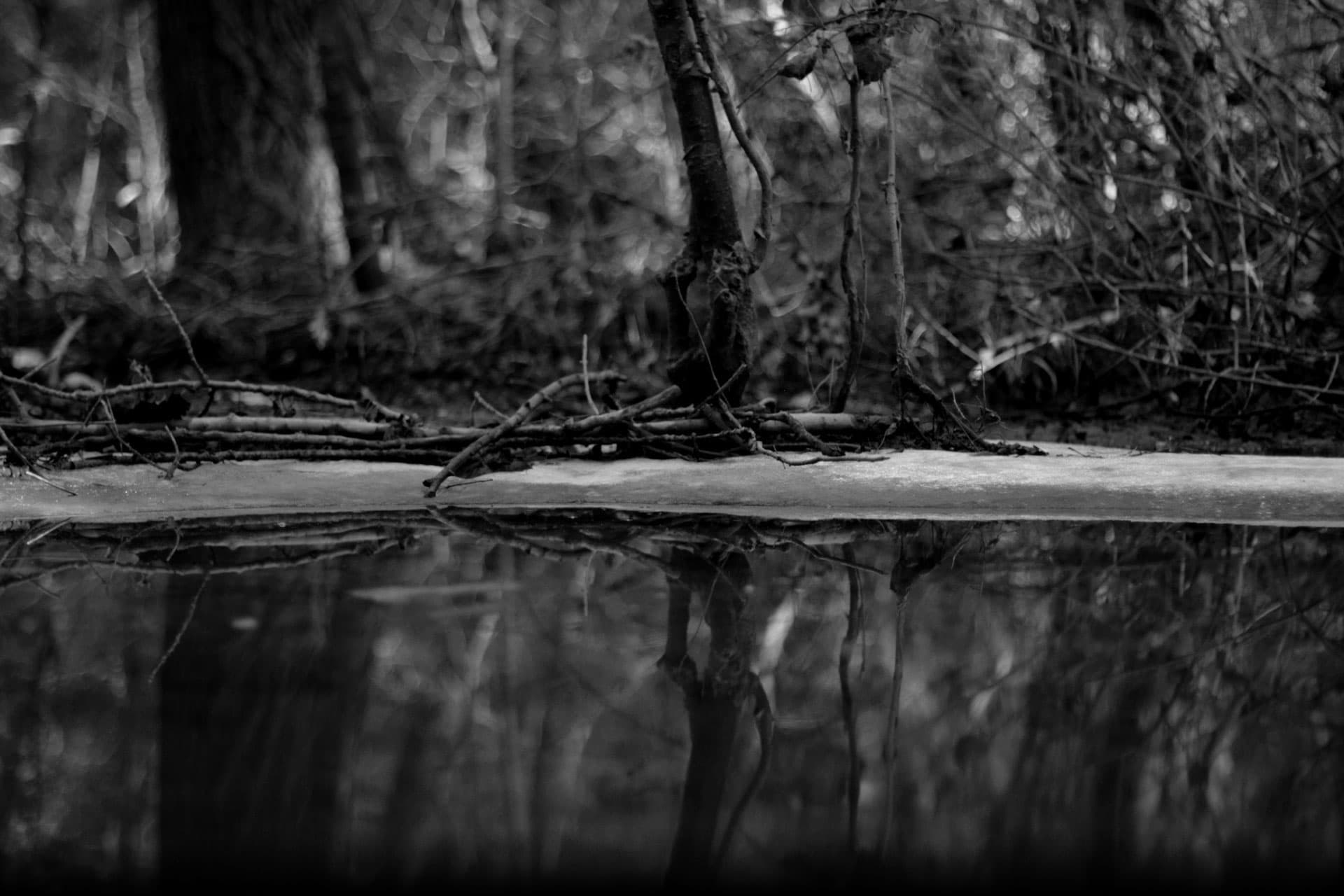
The visual outcome of artwork [13,8] is, as anticipated, a profound and startling interpretation of our prompt, an unsettling yet compelling hybrid. The AI has deftly navigated the seemingly irreconcilable demands, producing an image that provokes both intellectual intrigue and visceral reaction.
What immediately captures the eye are the figures, undeniably drawn from the crucible of working-class struggle. One discerns the fatigued posture of the laborer, the tangible strain of physical exertion. However, these forms are not merely depicted; they are transformed. Arms are impossibly elongated, hands appear delicate yet strained, and torsos twist with an almost balletic contortion, betraying the Mannerist influence. The "objective, straightforward style" of Realism is filtered through a highly subjective, decorative lens.
The color palette is particularly successful in its dissonance. The mundane, earthy browns and greys one might expect from a realist depiction of labor are shockingly infused with acid greens, electric blues, and sharp pinks. A laborer's patched trousers might shimmer with an unnatural iridescence, or a tool might gleam with an otherworldly hue. This artificial coloration simultaneously highlights the figures and detaches them from a purely naturalistic context, creating an uneasy beauty. The lighting is indeed theatrical, casting stark shadows and illuminating select areas with an almost stage-like intensity, accentuating the "twisted poses" rather than clarifying the environment.
The composition, true to Mannerist form, feels dense and spatially compressed, with the background suggesting an abstract or undefined setting rather than a coherent natural landscape. This ambiguity clashes with Realism's commitment to tangible environments, yet it amplifies the sense of psychological strain and isolation. The "dignity of ordinary existence" is presented through forms that are anything but ordinary, creating a disquieting sense of alienation, yet undeniably drawing the viewer's eye with its peculiar allure.
## Significance of [Realism Concept, Mannerism Style]
The fusion realized in artwork [13,8] is far more than a stylistic exercise; it is a profound commentary on the nature of artistic representation itself, exposing latent potentials and ironies within both movements.
This collision reveals a fascinating paradox: can the "naked truth" of Realism truly be objective when rendered through a lens as inherently artificial and subjective as Mannerism? The contorted figures, vibrant colors, and ambiguous spaces characteristic of Mannerism strip Realism of its claim to unmediated objectivity, suggesting that even the most "realistic" depiction is a constructed reality, an interpretation. It forces us to acknowledge the inherent performativity in any artistic endeavor, even one dedicated to portraying the "truth." The plight of the working class, when viewed through a distorted, heightened aesthetic, becomes less about sociological documentation and more about an archetypal, almost symbolic, suffering—a universalized anguish conveyed through an alien visual language.
Conversely, applying Mannerism's stylistic eccentricity to a subject of such social gravitas imbues it with an unexpected weight. Historically, Mannerism was often seen as a period of intellectual play, focused on virtuosic display rather than profound content. Here, its contortions and artificialities cease to be mere decorative whims; they become a visual metaphor for the psychological and physical contortions imposed by harsh social realities. The iridescent palette, which might otherwise feel frivolous, takes on a jarring, almost unsettling quality, highlighting the unnaturalness of social injustice. It raises the question: can a style inherently resistant to naturalism nonetheless articulate a deeper, perhaps more unsettling, truth about the human condition by making the "ugly" reality strikingly, even disturbingly, beautiful?
This specific fusion challenges our traditional categorization of art history. It suggests that artistic "truths" and "styles" are not hermetically sealed units but permeable membranes, capable of unexpected and revealing cross-pollination. The resulting image is an unsettling beauty, an irony made manifest, inviting us to contemplate the very essence of representation and the enduring power of art to both reflect and refract reality in ways we never imagined. It is a testament to Echoneo's mission: to unearth these hidden historical dialogues and prompt new forms of understanding.
The Prompt behind the the Artwork [13,8] "Realism Concept depicted in Mannerism Style":
Concept:Present an unidealized scene of contemporary, everyday life, particularly focusing on the labor or struggles of the working class, like Courbet's "The Stone Breakers." Utilize an objective, straightforward style with often somber or earthy colors, avoiding romantic or academic conventions. The subject matter should be depicted truthfully, without sentimentality, highlighting social conditions or the dignity of ordinary existence.Emotion target:Evoke empathy, social awareness, and a sense of objective truth. Convey the reality of contemporary life, including its hardships and mundane aspects. Aim for authenticity and honesty, potentially inspiring reflection on social conditions or simply connecting the viewer to the unvarnished human experience.Art Style:Elongate human figures with small heads and contorted, serpentine poses ('figura serpentinata'). Use an artificial, intense, iridescent color palette — acid greens, electric blues, sharp pinks, and bright oranges — emphasizing decorative effect over naturalism. Create crowded, asymmetrical, and spatially ambiguous compositions with intricate details and smooth, polished surfaces. Avoid realistic proportions, harmonious balance, naturalistic colors, and stable, rational perspectives.Scene & Technical Details:Render the scene in a 4:3 aspect ratio (1536×1024 resolution) with theatrical, sharp lighting that heightens the tension and artifice. Use dynamic, tilted, or compressed viewpoints to accentuate the twisted poses and ambiguous space. The background should suggest an abstract, shallow setting — luxurious props or undefined environments that prioritize composition over realism. Maintain a refined, polished finish with intricate textural details, steering clear of naturalistic lighting, stable eye-level views, or rough, textured brushwork.