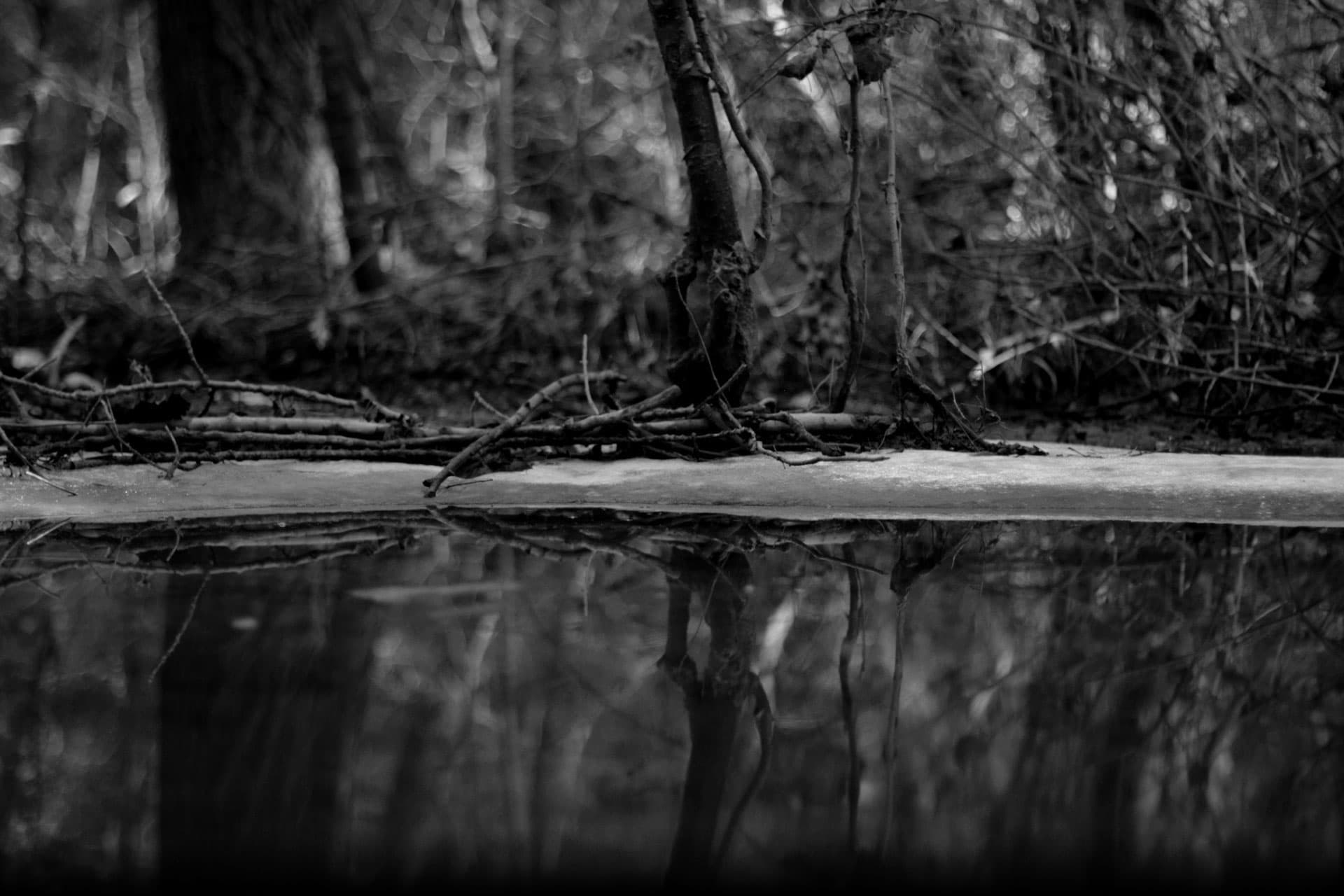
Echoneo-14-13: Impressionism Concept depicted in Realism Style
8 min read
Artwork [14,13] presents the fusion of the Impressionism concept with the Realism style.
As the architect of the Echoneo project, I often reflect on the fascinating intersections that emerge when we task advanced algorithms with bridging historical art movements. Our latest inquiry, rooted in the coordinates [14,13], presents a particularly compelling conceptual fusion. Let us delve into the fascinating dialogue between an Impressionist concept and a Realist style.
## The Concept: Impressionism
At its heart, Impressionism was a radical departure from academic traditions, fundamentally re-evaluating the act of seeing. It wasn't about narrating grand historical events or moralizing tales, but rather about capturing the ephemeral. The movement sought to transpose the artist's immediate, personal optical sensation onto canvas, prioritizing the dynamic interplay of light and atmosphere over detailed rendering or definitive form.
Core Themes: The essence of Impressionism revolved around the transience of modern life, the mutable quality of light, and the inherently subjective nature of perception. Artists were preoccupied with how fleeting moments, whether a specific hour of the day or a changing atmospheric condition, altered the appearance of subjects. This led to an intense focus on how one sees, rather than simply what one sees, making the very act of vision a central theme.
Key Subjects: While diverse, the typical Impressionist subjects were largely drawn from the everyday and the contemporary. Landscapes, particularly those showcasing the mutable effects of water or agricultural scenes like haystacks, were paramount. Urban streetscapes, leisure activities, and intimate portraits reflecting the rhythm of emerging modernity also featured prominently. These common scenes provided a fertile ground for exploring the subtle shifts in light and color.
Narrative & Emotion: Impressionism largely eschewed traditional narrative in favor of sensory immersion. Its "story" was the direct visual experience itself, unburdened by overt symbolic or dramatic content. The emotional target was often a profound sense of immediacy, a spontaneous delight in the visual world. Artists aimed to evoke feelings of tranquility, joy, or the quiet beauty derived from simply observing a transient instant, inviting the viewer into a direct, unmediated sensory encounter.
## The Style: Realism
Realism, as an artistic style, emerged as a potent counterpoint to the idealized and romanticized aesthetics that preceded it. Its core tenet was an unflinching commitment to depicting life with unvarnished accuracy and objectivity, focusing on the unembellished truth of the everyday.
Visuals: Realist artworks present an honest, often somber, portrayal of existence. Their visual language is characterized by an absence of theatricality or sentimental embellishment. Figures are depicted with the authenticity of their social station, their labor, or the passage of time etched upon them, reflecting a dedication to observational veracity.
Techniques & Medium: Primarily executed in oil paint, Realist techniques emphasize precise observation and direct application. The brushwork, rather than being a vehicle for expressive flourish, is carefully controlled to serve the representational goal, meticulously rendering textures and forms without drawing undue attention to the artist's hand. It is about faithful transcription, not artistic interpretation.
Color & Texture: The Realist palette typically favors naturalistic, subdued tones—earthy browns, muted greens, greys, and somber blues, alongside truthful flesh tones. Color is employed descriptively, not emotionally or decoratively. Textures are rendered with remarkable fidelity, conveying the tangible qualities of rough fabrics, worn surfaces, or the solidity of natural environments. Lighting is usually natural and direct, illuminating subjects without dramatic artifice, allowing forms and textures to reveal themselves clearly.
Composition: Realist compositions are generally straightforward and uncluttered, prioritizing clarity and stability over dynamic movement or complex structures. They are often grounded and solid, presenting scenes with an almost unassuming simplicity. The aim is direct presentation of reality, far removed from academic idealism or narrative drama.
Details: The distinctive characteristic of Realism lies in its scrupulous attention to the specifics of ordinary life. It elevates the mundane to artistic subject matter, often highlighting the socio-economic realities of common individuals. Its specialty is the unromanticized, direct portrayal of life's genuine texture, free from any attempt to idealize or exoticize.
## The Prompt's Intent for [Impressionism Concept, Realism Style]
The creative challenge presented to our AI, in this instance, was a profound exercise in artistic paradox. We tasked it with achieving the conceptual aspiration of Impressionism—that fleeting, subjective capture of light and atmosphere, prioritizing sensory experience—but through the visual lexicon of Realism. The prompt explicitly instructed the AI to "capture the fleeting visual sensation of a specific moment outdoors" and "emphasize the changing effects of light and atmosphere," while simultaneously demanding the application of "accurate, objective, and unidealized depictions of everyday life and ordinary subjects," utilizing a "naturalistic, often somber or earthy color palettes" and "brushwork that supports representational goals without expressive exaggeration."
This was a deliberate friction point: how does one render "visible, broken brushstrokes" when the directive is to avoid "expressive exaggeration"? How does one convey "spontaneity" and "subjective perception" through a style that values "direct observation and truthfulness to reality" and "solidity"? The core intent was to see if the AI could distill the essence of Impressionist perception – the awareness of change, light, and moment – into a visual mode that rejects its characteristic painterly spontaneity and vibrant hues. Could the truth of a fleeting instant be conveyed through a lens of unvarnished fact?
## Observations on the Result
The visual outcome is, as anticipated, a fascinating and somewhat disquieting synthesis. What is immediately striking is the absence of the characteristic Impressionist surface activity; there are no broken brushstrokes, no visible dabs of pure color laid side-by-side. Instead, the rendering adheres strictly to Realism's mandate for smooth, representational clarity. Textures are meticulously depicted, from the rough weave of fabric to the subtle variations in worn surfaces, demonstrating a commitment to material truth.
Where the AI successfully interprets the Impressionist concept within this Realist framework is in the quality of light. Despite the somber, earthy palette, there is a palpable sense of a specific, transient moment captured. The lighting, while naturalistic and direct as per Realist instruction, possesses a nuanced glow that suggests a precise hour—perhaps the muted warmth of a late afternoon or the cool, soft light of an overcast morning. This light falls on unidealized figures or scenes, imbuing them with a momentary truth. The dissonance emerges primarily in the emotional register: the Impressionist desire for "visual delight" or "joy" is largely muted. The scene, while precisely observed in its lighting, retains the unromanticized, almost austere quality of Realism, replacing fleeting exuberance with a stark, tangible presence. The "spontaneity" of the Impressionist concept is thus not conveyed through gestural marks, but perhaps through an unexpected angle or a seemingly candid arrangement, forcing the viewer to confront the "now" with a quiet, observational intensity.
## Significance of [Impressionism Concept, Realism Style]
This peculiar fusion of an Impressionist concept with a Realist style unveils profound insights into the latent capacities and hidden assumptions of both movements. It forces us to reconsider the very nature of artistic representation and the subjective-objective binary.
Firstly, it highlights Realism's untapped potential for capturing the fleeting. While Realism typically anchors itself in the enduring, the precise application of its objective gaze to a moment's specific atmospheric conditions reveals that "truth" can also reside in the ephemeral. This fusion suggests that the objective recording of light at a particular instant can, in itself, be a form of profound temporal observation, stripping away the interpretative layers to present raw visual fact as a transient phenomenon.
Conversely, it challenges a popular assumption about Impressionism: that its essence is inseparable from its characteristic brushwork. Here, the idea of momentary perception, of light's mutable quality, persists even without the broken color and visible strokes. This demonstrates that the core conceptual thrust of Impressionism—the focus on the act of seeing and its transient output—can transcend its iconic surface aesthetics.
The irony is palpable: the style that sought to capture external, unvarnished reality now renders the internal, fleeting sensory experience, not as an expressive burst, but as an observed fact. The beauty that emerges is not one of vibrant exuberance, but a stark, unadorned beauty of simply being there, precisely in that second, under that exact light. This collision of movements creates a new kind of "objective subjectivity"—a precise, unidealized observation of a subjective visual phenomenon. It reveals that the "truth" of an instant can be conveyed not through the artist's emotional hand, but through an almost clinical fidelity to the light that defines that precise, passing moment. This is a profound conversation between how we know the world, and how we choose to show it.
The Prompt behind the the Artwork [14,13] "Impressionism Concept depicted in Realism Style":
Concept:Capture the fleeting visual sensation of a specific moment outdoors, like Monet painting haystacks or a bustling Parisian street scene. Emphasize the changing effects of light and atmosphere using visible, broken brushstrokes and pure, unmixed colors placed side-by-side. The composition should feel spontaneous and immediate, prioritizing the artist's subjective perception of light and color over detailed rendering or narrative.Emotion target:Evoke the sensory experience and atmosphere of the moment – the warmth of sunlight, the vibrancy of colors, the movement of air, the energy of modern life. Convey feelings of immediacy, spontaneity, and visual delight. The aim is often to capture a fleeting feeling of joy, tranquility, or the simple beauty perceived in a transient instant.Art Style:Use the Realism style characterized by accurate, objective, and unidealized depictions of everyday life and ordinary subjects. Focus on direct observation and truthfulness to reality, portraying figures honestly with visible signs of labor, age, or social class. Avoid historical, mythological, exotic, or overly sentimental themes. Employ naturalistic, often somber or earthy color palettes featuring browns, greys, muted greens, dull blues, realistic flesh tones, and dark or off-white shades. Brushwork should support representational goals without expressive exaggeration, emphasizing accurate textures like rough fabric, worn surfaces, or natural environments.Scene & Technical Details:Render in a 4:3 aspect ratio (1536×1024 resolution) with naturalistic, direct lighting that accurately reveals forms and textures without dramatic effects. Use straightforward, honest compositions that prioritize clarity and realism over academic idealism or theatrical drama. Depict scenes with solidity and simplicity, avoiding complex structures or dynamic movements. Maintain focus on the accurate depiction of everyday environments, clothing, and objects, steering clear of stylization, strong outlines, or expressive, impressionistic brushwork.