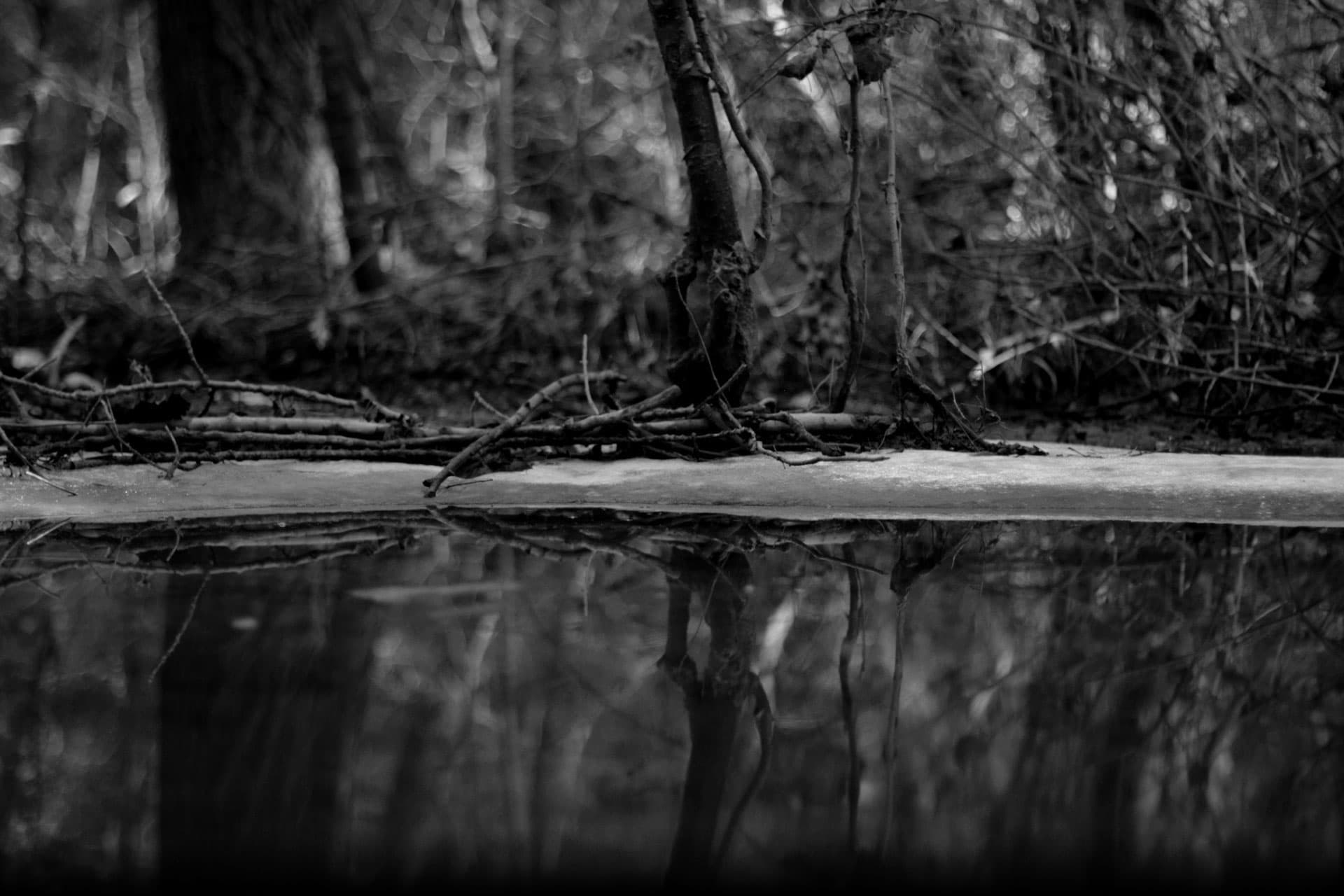
Echoneo-14-21: Impressionism Concept depicted in Surrealism Style
7 min read
Artwork [14,21] presents the fusion of the Impressionism concept with the Surrealism style.
As the architect of the Echoneo project, it is with particular intellectual curiosity that I invite you to delve into a recent AI-generated artwork, specifically the piece designated by the coordinates [14,21]. This creation represents a fascinating algorithmic synthesis, a digital crucible where the very tenets of artistic movements are re-examined. Let us dissect its conceptual underpinnings and stylistic manifestations.
The Concept: Impressionism
The conceptual heart of this artwork beats with the rhythm of Impressionism, a revolutionary current that swept through the art world in the late 19th century. Its fundamental premise was a radical departure from academic traditions, prioritizing the immediate, unmediated perception of reality.
- Core Themes: At its core, Impressionism sought to capture the ephemeral quality of a specific moment, emphasizing the interplay of light and atmosphere over narrative detail or precise rendering. It celebrated the subjective nature of seeing, acknowledging that visual experience is fundamentally personal and transient. The movement also resonated with the burgeoning modernity, reflecting the dynamism and fleeting sensations of urban life and the shifting character of the natural world.
- Key Subjects: Impressionist painters frequently turned their gaze to ordinary landscapes—be it sun-drenched fields of haystacks or tranquil water lilies—as well as bustling city scenes, quiet domestic interiors, and portraits bathed in natural light. Their subjects were often mundane, yet transformed by the artists’ focus on the visual effects of time and changing conditions.
- Narrative & Emotion: Far from constructing grand narratives or moral allegories, Impressionism aimed to evoke the raw sensory experience and atmospheric resonance of a scene. The emotional target was often a feeling of immediacy and spontaneity, a delight in the simple, momentary beauty perceived in a transient instant. It was about the joy of observation, the fleeting tranquility of a dusk sky, or the vibrant energy of a crowd, all conveyed through the subjective filter of the artist's eye.
The Style: Surrealism
In stark contrast, the aesthetic execution of our artwork adheres to the stylistic principles of Surrealism, a profound exploration of the subconscious mind that emerged in the early 20th century. Surrealism aimed to liberate the imagination by delving into dreams, automatism, and irrational juxtapositions.
- Visuals: Surrealist visuals frequently present startling, illogical scenarios, often blending the mundane with the bizarre in unsettling ways. We encounter uncanny landscapes populated by unrelated elements placed in unexpected contexts, or forms that morph and distort, challenging conventional perceptions of reality.
- Techniques & Medium: Artists employed a range of techniques to access and express the unconscious. These included automatism, where the hand moves freely without conscious control, and precise, hyperrealistic rendering (Veristic Surrealism) to imbue impossible scenes with disturbing clarity. Other approaches involved biomorphic abstractions and textural effects like frottage (rubbing) or grattage (scraping). While primarily expressed through painting, Surrealist tenets also informed sculpture, photography, and film.
- Color & Texture: The palette in Surrealist works can vary from muted, dreamlike hues that enhance the sense of unreality, to vibrant, jarring colors that heighten emotional impact. Texturally, works might exhibit the smooth, polished surfaces of meticulously rendered forms, or conversely, the expressive, spontaneous textures generated by subconscious techniques, evoking a tactile strangeness. Lighting often feels non-naturalistic—soft and dreamlike, or a flat ambient glow—lacking clear directional shadows, further disorienting the viewer.
- Composition: Surrealist compositions defy rational spatial arrangements. They often feature deep or ambiguous perspectives, elements that float untethered in undefined environments, or seemingly arbitrary groupings of objects that challenge traditional logical structure. The aim is to dismantle conventional spatial relationships, inviting the mind to wander.
- Details: The speciality of Surrealism lies in its commitment to the uncanny, often achieved through meticulous attention to paradoxical details. It thrives on surprising scale distortions, profound psychological symbolism, and the re-contextualization of familiar objects, transforming them into symbols of an interior, often unsettling, landscape.
The Prompt's Intent for [Impressionism Concept, Surrealism Style]
The specific creative challenge posed to the Echoneo AI was to reconcile two seemingly antithetical artistic philosophies: to capture the fleeting, sensory essence of an Impressionistic moment, yet to manifest it through the disorienting, dream-logic lens of Surrealism. The instructions were meticulously crafted to provoke this intriguing fusion.
The AI was tasked with evoking "the fleeting visual sensation of a specific moment outdoors" and emphasizing "the changing effects of light and atmosphere using visible, broken brushstrokes and pure, unmixed colors placed side-by-side," demanding a spontaneous and immediate composition prioritizing subjective perception—all classic Impressionist conceptual directives. Simultaneously, it was commanded to apply "the Surrealist style by exploring dreams, the unconscious, and irrational juxtapositions," populating the scene with "bizarre, unrelated elements placed in unexpected and illogical contexts." Further stylistic constraints included incorporating "surprising scale distortions, metamorphosis, organic abstractions, and psychological symbolism," rendered with "soft, dreamlike lighting or a flat, ambient glow," and composed with "illogical spatial arrangements" or "free-floating elements." The core instruction was to prioritize "surreal atmospheres, uncanny details, and emotionally charged or subconscious-driven associations over rational structure or traditional realism." This deliberate clash forced the algorithm to generate an image that would bridge the objective observation of light with the subjective, internal world of dreams, effectively asking: what does a fleeting moment look like when dreamt?
Observations on the Result
The visual outcome of this ambitious prompt is, predictably, a fascinating study in creative tension. The AI's interpretation attempts to bridge the chasm between external observation and internal psychic landscapes. What immediately strikes the viewer is the pervasive atmosphere of a perceived moment, yet filtered through an intensely subjective, disquieting lens.
The AI has successfully translated the "soft, dreamlike lighting" and "ambient glow" of Surrealism, bathing the entire scene in an ethereal illumination that lacks distinct shadows, dissolving clarity into an almost hallucinatory state. Yet, within this dreamscape, one discerns the "visible, broken brushstrokes" and the side-by-side placement of "pure, unmixed colors" characteristic of Impressionism. This creates an uncanny effect: a scene composed of seemingly spontaneous, immediate dabs of light and hue, yet depicting something fundamentally unreal. Perhaps we see a landscape that shifts and shimmers with a vibrant, momentary quality, but the forms themselves—a melting clock draped over a vibrant, Monet-esque haystack, or an unmoored boat floating amongst clouds that resemble human eyes—betray their subconscious origins. The "spontaneous" composition of Impressionism is interpreted not as naturalistic verity, but as the random, non-linear unfolding of a dream, where elements appear without rational connection. The "illogical spatial arrangements" are rendered with an almost Impressionistic blur, softening the edges of the impossible. The surprising aspect is how the algorithm manages to apply the texture of Impressionistic observation to the objects of Surrealist fantasy, making the improbable seem briefly, optically present.
Significance of [Impressionism Concept, Surrealism Style]
This specific fusion reveals a profound, almost philosophical, latent potential within both art movements. It interrogates the very nature of perception and reality.
By applying the Impressionist concept—the capture of a "fleeting visual sensation"—to a Surrealist style—one of irrational juxtaposition and dream logic—the artwork suggests that perhaps all external reality is processed through an internal, potentially subconscious, filter. The "momentary perception" of Monet is re-contextualized not as an objective capturing of light, but as a flicker within the mind's eye, a brief glimpse into an internalized dreamscape. It posits that our "impressions" of the world might be far more akin to a waking dream than we admit, subtly hinting that the "objective reality" Impressionism sought to capture was always already infused with the subjectivity that borders on the fantastical.
Conversely, the application of an Impressionistic sensibility to a Surrealist scene imbues the dreamscape with an almost tangible atmosphere, a momentary quality that makes the bizarre feel observed rather than merely imagined. The deep psychological symbolism of Surrealism gains an added layer of irony when rendered with the visible brushwork of a rapid sketch from life. We are left to ponder: what if Dalí had painted The Persistence of Memory not with crisp, unsettling precision, but with the shimmering, indistinct luminosity of a Monet sunrise? The result is not merely an uncanny fusion, but a beautiful, unsettling meditation on the permeable boundary between waking observation and the boundless depths of the unconscious. It provokes a fresh question: is the true "impression" perhaps not what we see, but what we dream we see?
The Prompt behind the the Artwork [14,21] "Impressionism Concept depicted in Surrealism Style":
Concept:Capture the fleeting visual sensation of a specific moment outdoors, like Monet painting haystacks or a bustling Parisian street scene. Emphasize the changing effects of light and atmosphere using visible, broken brushstrokes and pure, unmixed colors placed side-by-side. The composition should feel spontaneous and immediate, prioritizing the artist's subjective perception of light and color over detailed rendering or narrative.Emotion target:Evoke the sensory experience and atmosphere of the moment – the warmth of sunlight, the vibrancy of colors, the movement of air, the energy of modern life. Convey feelings of immediacy, spontaneity, and visual delight. The aim is often to capture a fleeting feeling of joy, tranquility, or the simple beauty perceived in a transient instant.Art Style:Apply the Surrealist style by exploring dreams, the unconscious, and irrational juxtapositions. Create scenes populated with bizarre, unrelated elements placed in unexpected and illogical contexts. Emphasize either hyperrealistic, meticulously detailed rendering to heighten the dreamlike strangeness (Veristic Surrealism) or abstract, biomorphic forms generated through automatism and subconscious techniques (Abstract Surrealism). Incorporate surprising scale distortions, metamorphosis, organic abstractions, and psychological symbolism. Use either smooth, polished textures for detailed works or free, spontaneous surface treatments for abstract expressions.Scene & Technical Details:Render the work in a 4:3 aspect ratio (1536×1024 resolution) using soft, dreamlike lighting or a flat, ambient glow without clear directional shadows. Compose the scene with illogical spatial arrangements, deep or ambiguous perspective, or free-floating elements in undefined environments. Simulate either smooth, highly finished textures or expressive, textured effects like frottage or grattage depending on the sub-style. Prioritize surreal atmospheres, uncanny details, and emotionally charged or subconscious-driven associations over rational structure or traditional realism.