Echoneo-15-13: Post-Impressionism Concept depicted in Realism Style
7 min read
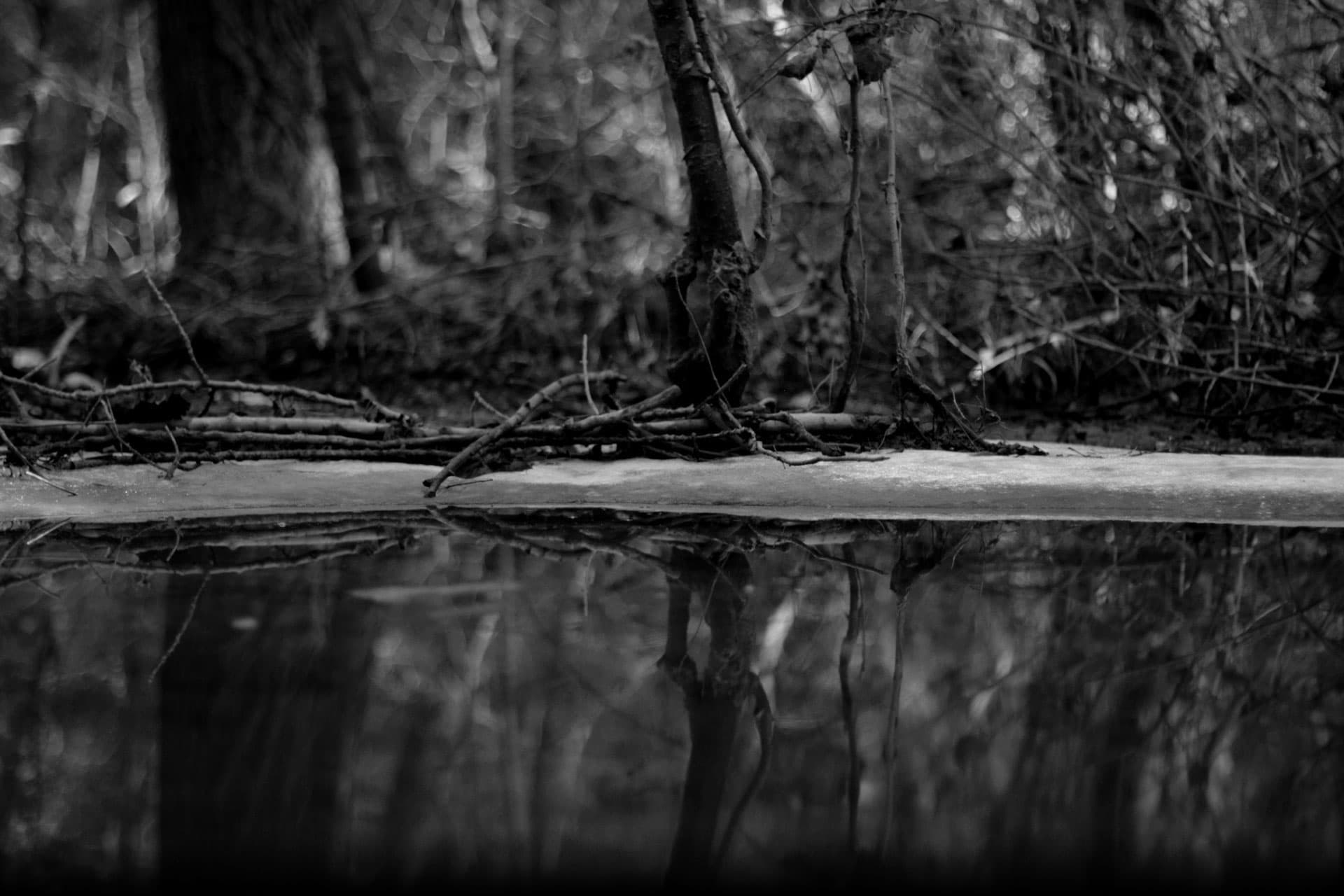
Artwork [15,13] presents the fusion of the Post-Impressionism concept with the Realism style.
As the architect of the Echoneo project, it is with considerable intellectual curiosity that I present an analysis of an AI-generated artwork, specifically the intriguing fusion observed at coordinates [15,13]. This piece challenges our conventional understanding of artistic categories, prompting a deeper exploration of how disparate movements can converge through algorithmic interpretation.
The Concept: Post-Impressionism
Post-Impressionism emerged not as a unified style, but as a diverse array of responses to Impressionism's perceived limitations. Artists sought to move beyond the fleeting capture of light and atmosphere, striving instead for a more enduring, substantive vision.
- Core Themes: At its heart, Post-Impressionism championed the search for lasting form and profound meaning, often delving into the psychological depths of the artist and the subject. It emphasized emotional expression, the nuanced use of symbolism, and the portrayal of an inner reality that transcended mere visual appearance. The development of a distinct personal style became paramount, a unique artistic signature rather than adherence to an optical truth.
- Key Subjects: While still embracing familiar subjects such as landscapes and still lifes, these themes were re-envisioned through a subjective lens. A commonplace apple might gain monumental weight through Cézanne's structured planes, or a night sky could erupt with the spiritual turmoil of Van Gogh. The external world became a vehicle for expressing internal states, a departure from purely objective observation.
- Narrative & Emotion: The impulse was to evoke a deeper emotional response and intellectual engagement than Impressionism's passive observation. Depending on the individual artist, the narrative could articulate a quest for universal order, intense personal feeling, spiritual searching, or the revelation of symbolic truths. The overarching aim was to capture and convey the artist's subjective experience, infusing the canvas with their unique interpretation of existence.
The Style: Realism
Realism, as an artistic style, marked a radical shift towards an uncompromising depiction of the contemporary world, rejecting the idealized, romanticized, or historical narratives prevalent in earlier art. It was a commitment to the visible and the verifiable.
- Visuals: The Realist aesthetic is characterized by accurate, objective, and unidealized portrayals of everyday life and ordinary subjects. It focused on the unvarnished truth of the observed world, presenting figures and environments honestly, often highlighting signs of labor, age, or social standing without embellishment.
- Techniques & Medium: Typically executed in oil painting, Realist techniques prioritized direct observation and truthfulness to reality. Brushwork was employed to support representational goals, eschewing expressive exaggeration in favor of clarity and precision. The emphasis was on meticulous rendering that conveyed the tangible qualities of the subject.
- Color & Texture: The palette of Realism was naturalistic, often favoring somber or earthy tones—browns, greys, muted greens, and dull blues, along with realistic flesh tones and subdued whites. Lighting was typically natural and direct, designed to reveal forms and textures without dramatic chiaroscuro or theatrical effects. Textures were rendered with fidelity, capturing the rough weave of fabric, the worn surface of wood, or the specific qualities of natural environments.
- Composition: Compositions were straightforward, honest, and deliberately unpretentious, prioritizing clarity and solid representation over academic idealism or dramatic flair. Scenes were presented with a sense of solidity and simplicity, avoiding complex structural arrangements or dynamic, gestural movements.
- Details: A core tenet of Realism was its meticulous attention to everyday environments, clothing, and objects, rendered without stylization, strong outlines, or any hint of expressive, Impressionistic brushwork. Its distinguishing quality was an unwavering commitment to the factual representation of the observable world, stripped of illusion or sentimentality.
The Prompt's Intent for [Post-Impressionism Concept, Realism Style]
The creative challenge posed to the AI for this artwork was exceptionally nuanced, demanding a delicate reconciliation between two historically distinct approaches to art-making. The core instruction was to merge the subjective, inner-world focus of Post-Impressionism with the objective, outwardly observable tenets of Realism.
The AI was tasked with visualizing a landscape or still life, imbued with the conceptual essence of Post-Impressionism: either the structural simplification reminiscent of Cézanne, or the intense, emotionally charged color and swirling energy characteristic of Van Gogh, all to convey an inner state or deeper meaning. The emphasis was on structure, personal expression, symbolism, or emotional intensity—a deliberate move beyond mere visual surface. The goal was to evoke a profound emotional or intellectual engagement, capturing the artist's subjective interpretation of reality.
Simultaneously, the style mandate pulled in the opposite direction, requiring a Realist execution. This meant accurate, unidealized depiction of everyday life, prioritizing direct observation and truthfulness. The color palette was specified as naturalistic and somber, with brushwork supporting representation without expressive exaggeration, focusing on accurate textures. Technically, a 4:3 aspect ratio, natural, direct lighting, and straightforward compositions were prescribed, demanding solidity and simplicity while strictly avoiding stylization, strong outlines, or anything resembling Impressionistic brushwork. The inherent tension lay in asking for emotional depth and subjective interpretation to be delivered through a coolly objective, factual visual language.
Observations on the Result
The visual outcome of this synthesis at [15,13] presents a fascinating paradox, revealing the AI's complex interpretation of the prompt's competing demands. What immediately strikes the viewer is a scene rendered with the unvarnished truthfulness characteristic of Realism – a mundane subject, perhaps a quiet street corner or an unassuming still life, depicted with an almost photographic fidelity to light and texture.
However, beneath this veneer of objective representation, one discerns the subtle undertones of Post-Impressionist intent. The customary Realist palette, while retaining its earthy sobriety, seems to carry an unexpected emotional weight. The browns and greys are not merely descriptive; they convey a pervasive sense of quietude or perhaps a melancholic introspection. The forms, though rendered with a clear, solid presence typical of Courbet, possess a certain underlying structural integrity that hints at Cézanne's quest for geometric essences, making the ordinary appear unexpectedly monumental.
The brushwork is particularly intriguing. It maintains the representational rigor demanded by Realism, avoiding any overt expressive flourishes. Yet, there's a controlled texture, a deliberate application of pigment, that implies a controlled energy, a suppressed vibrancy that subtly suggests Van Gogh's inner dynamism without resorting to overt swirling. This is where the AI excels: it avoids the obvious stylistic "mash-up," instead creating a nuanced psychological resonance within the factual presentation. The success lies in the way it imbues the commonplace with profound subjective meaning, managing to evoke a deeper emotional response without breaking the stylistic constraints of objective truthfulness. The surprising element is this "quiet intensity"—a profound sentiment expressed through restraint, where the inner world is hinted at rather than overtly declared.
Significance of [Post-Impressionism Concept, Realism Style]
This specific fusion, meticulously crafted by the Echoneo system, illuminates a profound dialogue between two seemingly antithetical artistic philosophies. It forces us to confront the hidden assumptions embedded within both movements and unveils latent potentials that might otherwise remain undiscovered.
Realism, with its unwavering commitment to external, observable truth, fundamentally assumes that meaning resides in the factual, the tangible, the unvarnished reality of the world. Post-Impressionism, conversely, posits that ultimate truth lies within the subjective experience, the artist's emotional or intellectual interpretation that transcends mere visual data. The AI's successful synthesis reveals a startling irony: that the most profound subjective truths can, in fact, be contained within an unidealized, objectively rendered form. It suggests that the "inner world" need not be expressed through overt distortion or heightened color, but can subtly permeate the very fabric of the "outer world."
The new meaning that emerges from this collision is a testament to the idea that the mundane can be imbued with monumental significance. A simple Realist scene, stripped of academic grandeur or romantic flourish, suddenly becomes a vessel for introspection, a stage for quiet emotional resonance, or a structural paradigm. It elevates the quotidian to a realm of deeper intellectual engagement without sacrificing its authenticity. This artwork doesn't just combine elements; it fosters a unique aesthetic wherein a beauty born of quiet intensity—a structured emotion within the commonplace, or a spiritual yearning expressed through factual depiction—becomes possible. It compels us to re-evaluate where meaning truly resides, proposing that the soul of an image might be found not just in its expressive flourish, but also in its uncompromising honesty.
The Prompt behind the the Artwork [15,13] "Post-Impressionism Concept depicted in Realism Style":
Concept:Visualize a landscape or still life, like one by Cézanne, where forms are simplified into underlying geometric shapes (cylinders, spheres, cones) and built up with structured patches of color. Alternatively, depict a scene by Van Gogh using swirling, energetic brushstrokes and intense, emotionally charged colors that convey the artist's inner state rather than just visual appearance. The emphasis is on structure, personal expression, symbolism, or emotional intensity, moving beyond the Impressionists' focus on fleeting light.Emotion target:Evoke a deeper emotional response or intellectual engagement than Impressionism. Depending on the artist, the aim might be to convey order and permanence (Cézanne), intense personal feeling and spiritual searching (Van Gogh), symbolic meaning (Gauguin), or structured scientific observation (Seurat). Capture the artist's subjective experience and interpretation of reality.Art Style:Use the Realism style characterized by accurate, objective, and unidealized depictions of everyday life and ordinary subjects. Focus on direct observation and truthfulness to reality, portraying figures honestly with visible signs of labor, age, or social class. Avoid historical, mythological, exotic, or overly sentimental themes. Employ naturalistic, often somber or earthy color palettes featuring browns, greys, muted greens, dull blues, realistic flesh tones, and dark or off-white shades. Brushwork should support representational goals without expressive exaggeration, emphasizing accurate textures like rough fabric, worn surfaces, or natural environments.Scene & Technical Details:Render in a 4:3 aspect ratio (1536×1024 resolution) with naturalistic, direct lighting that accurately reveals forms and textures without dramatic effects. Use straightforward, honest compositions that prioritize clarity and realism over academic idealism or theatrical drama. Depict scenes with solidity and simplicity, avoiding complex structures or dynamic movements. Maintain focus on the accurate depiction of everyday environments, clothing, and objects, steering clear of stylization, strong outlines, or expressive, impressionistic brushwork.