Echoneo-15-9: Post-Impressionism Concept depicted in Baroque Style
7 min read
Artwork [15,9] presents the fusion of the Post-Impressionism concept with the Baroque style.
As the architect of the Echoneo project, it is my distinct pleasure to unveil a new synthesis from our ongoing exploration of algorithmic creativity. This particular generation, located at coordinates [15,9], offers a compelling dialogue between two vastly different epochs of artistic endeavor. Let us delve into its foundational elements.
The Concept: Post-Impressionism
The conceptual bedrock for this artwork is Post-Impressionism, a profound artistic current spanning roughly 1886 to 1905 CE. This period emerged as a fervent reaction against the fleeting sensory impressions of its predecessor, seeking instead a more enduring resonance.
- Core Themes: At its heart, Post-Impressionism was a quest for lasting form and profound meaning, moving beyond mere optical realism. Artists yearned to articulate their subjective inner worlds, emphasizing structural solidity, intense personal feeling, and symbolic narratives. It represented a deep dive into the very essence of perception and interpretation, fostering highly individualized artistic languages.
- Key Subjects: While landscapes and still lifes remained prevalent, their treatment underwent radical transformation. Rather than capturing momentary light, subjects became vehicles for a deeper psychological or spiritual inquiry. Think of Cézanne's meticulous rendering of natural forms into underlying geometric solids, or Van Gogh's vibrant canvases teeming with the artist's turbulent spirit, each brushstroke pulsating with private revelation.
- Narrative & Emotion: The overarching aim was to elicit a more profound emotional or intellectual engagement. This was not about passive observation but active participation in a visual experience charged with intention. Depending on the artist, the art might convey a sense of universal order, poignant spiritual yearning, rich allegorical content, or rigorous scientific observation. The ultimate goal was to encapsulate the artist's unique interpretation of reality, imbuing the visible world with invisible significance.
The Style: Baroque Art
Providing the visual syntax for our current piece is Baroque Art, an opulent and theatrical style that flourished from approximately 1600 to 1750 CE. It was an age of grand statements, designed to overwhelm the senses and stir the soul.
- Visuals: Baroque aesthetics are defined by intense visual contrasts. Here, we encounter profound chiaroscuro and potent tenebrism, crafting stark divisions between areas of profound shadow and dazzling illumination. Figures, often caught in peak emotional or physical intensity, possess a robust realism and a palpable sensuousness, drawing the viewer directly into their dramatic plight.
- Techniques & Medium: Oil painting was the dominant medium, often characterized by rich glazing for deep luminosity and, at times, robust impasto for textural impact. The deliberate use of low or oblique camera angles amplifies the dynamism and theatricality inherent in the compositions, often suggesting an unfolding narrative beyond the canvas's edge.
- Color & Texture: The palette is sumptuously rich and saturated, favoring deep rubies, burnished golds, verdant emeralds, and profound sapphires, dramatically offset by luminous ivory and stark ebony. Texturally, the surfaces are alive with the interplay of light on varied finishes, from polished drapery to raw human flesh, often augmented by the expressive qualities of impasto.
- Composition: Baroque compositions are exuberantly dynamic, frequently employing strong diagonals, swirling forms, and dramatic foreshortening. The arrangement of elements is never static or symmetrical; instead, it propels the eye through a narrative of movement and grand gesture, creating a sense of unfolding action.
- Details: The hallmark of Baroque art is its unparalleled devotion to intricate, often ornate detailing. Every fold of fabric, every curl of hair, every architectural flourish contributes to an overwhelming sense of grandeur and decorative richness. Its distinct specialization lies in its capacity for emotional immediacy and its sheer dramatic force, transforming static images into pulsating spectacles.
The Prompt's Intent for [Post-Impressionism Concept, Baroque Style]
The specific creative challenge posed to our AI was to forge an image where the introspective, often turbulent inner world of Post-Impressionism finds expression through the bombastic, theatrical language of Baroque art. The directive was not merely to layer one upon the other, but to seek a genuine fusion.
We instructed the algorithm to visualize a scene, perhaps a landscape or a figure study reminiscent of Van Gogh's emotional intensity or Cézanne's structural rigor, yet rendered with the dramatic lighting and rich chromatic depth characteristic of Caravaggio. This meant channeling the Post-Impressionist pursuit of inner reality and subjective interpretation, while simultaneously demanding Baroque-era techniques: potent chiaroscuro for dramatic effect, an opulent and saturated color scheme, and a composition teeming with the characteristic movement and strong diagonals of the 17th century. The core difficulty lay in reconciling the intensely personal, often raw emotionality of Post-Impressionism with the grand, public spectacle of Baroque expression. How does one convey a subjective psychological state with the monumental gravity and physical realism of a Baroque masterpiece? This was the precise algorithmic tightrope we tasked the system to traverse.
Observations on the Result
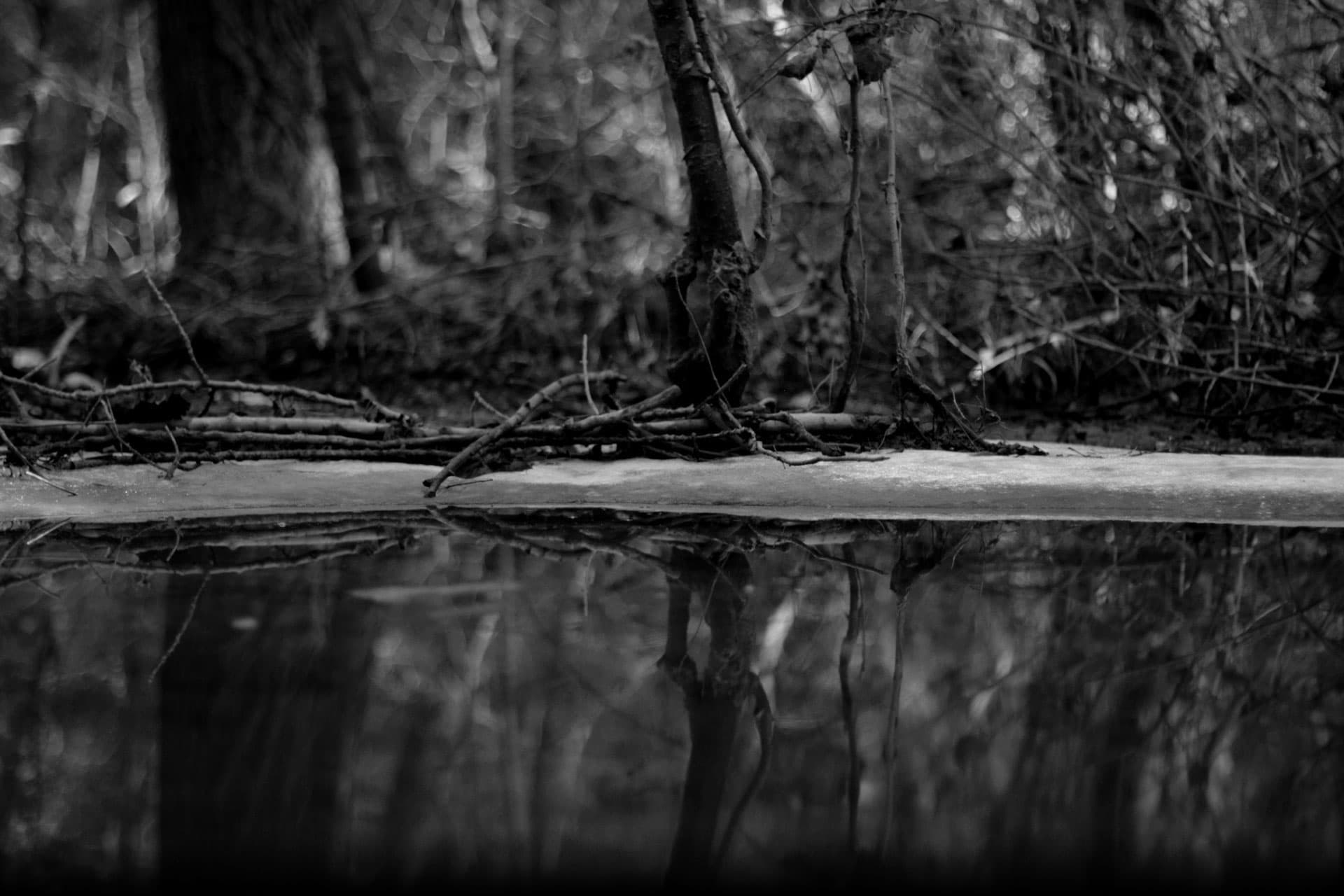
The artwork delivered by the AI at [15,9] is a fascinating visual paradox, a striking materialization of this complex prompt. Immediately striking is the pervasive use of tenebrism; the Post-Impressionist subject – a landscape with a solitary, gnarled tree, perhaps – is plunged into profound shadow, punctuated by singular, almost theatrical shafts of light. This lighting scheme imbues the scene with an unexpected gravitas, transforming what might typically be a vibrant, open field into a stage for profound internal drama.
The characteristic swirling, energetic brushwork of Van Gogh is clearly evident, yet it's been rendered with a surprising density and almost sculptural quality, reminiscent of Baroque impasto and robust forms. The intense, emotionally charged colors of Post-Impressionism are present, but their saturation has been amplified, appearing as rich, deep pigments – a far cry from the Impressionists' lighter palette, instead echoing the opulent hues of the Baroque. What is particularly successful is how the inherent dynamism of Post-Impressionist lines (think the cypress in Starry Night) translates into the grand, sweeping diagonals typical of Baroque composition. However, a slight dissonance emerges where the simplified, underlying geometric forms sometimes struggle against the ornate decorative richness, creating moments where the structured elements appear almost too stark against the elaborate shadows and textures. Yet, this tension ultimately enhances the image, presenting an inner landscape depicted with an outward, monumental force.
Significance of [Post-Impressionism Concept, Baroque Style]
The fusion of Post-Impressionist concept and Baroque style in this artwork reveals a profound and often overlooked continuity in the history of art: the persistent human impulse towards profound emotional expression and the search for deeper meaning. Superficially, these movements appear antithetical—one internal, the other external; one about subjective truth, the other about objective grandeur.
Yet, this collision unearths fascinating latent potentials. The intense, personalized feeling of a Van Gogh, when expressed through the monumental scale and dramatic chiaroscuro of Baroque, transcends mere individual anguish to become a universal, almost operatic declaration. The Post-Impressionist desire for "lasting form" finds an ironic parallel in Baroque's grand, eternal gestures, suggesting that inner reality, when amplified, can possess the same weight and permanence as any public altarpiece. This unexpected synthesis invites us to reconsider the boundaries between artistic epochs. It challenges the assumption that the pursuit of inner truth must always eschew outward theatricality, demonstrating how a private vision can be rendered with overwhelming public impact. The work becomes an eloquent statement on how art, across centuries, strives not merely to depict, but to evoke—to stir the soul, whether through the quiet intensity of introspection or the roaring crescendo of dramatic flourish. It suggests that the expressive power of an era can always be re-imagined through the lens of another, revealing new layers of beauty and profound irony.
The Prompt behind the the Artwork [15,9] "Post-Impressionism Concept depicted in Baroque Style":
Concept:Visualize a landscape or still life, like one by Cézanne, where forms are simplified into underlying geometric shapes (cylinders, spheres, cones) and built up with structured patches of color. Alternatively, depict a scene by Van Gogh using swirling, energetic brushstrokes and intense, emotionally charged colors that convey the artist's inner state rather than just visual appearance. The emphasis is on structure, personal expression, symbolism, or emotional intensity, moving beyond the Impressionists' focus on fleeting light.Emotion target:Evoke a deeper emotional response or intellectual engagement than Impressionism. Depending on the artist, the aim might be to convey order and permanence (Cézanne), intense personal feeling and spiritual searching (Van Gogh), symbolic meaning (Gauguin), or structured scientific observation (Seurat). Capture the artist's subjective experience and interpretation of reality.Art Style:Use strong chiaroscuro and tenebrism lighting to create deep shadows and brilliant highlights. Favor rich, saturated colors like deep reds, golds, dark greens, and deep blues, contrasted with luminous creams and sharp blacks. Composition should be dynamic, swirling, and full of movement — using strong diagonals, dramatic foreshortening, and ornate detail. Figures should be realistic, sensuous, caught mid-action or emotional climax. Avoid flat lighting, calmness, pale or pastel colors, and static or symmetrical compositions.Scene & Technical Details:Render the scene in a 4:3 aspect ratio (1536×1024 resolution) with dramatic, focused lighting to enhance the three-dimensionality and emotional tension. Use low or oblique camera angles to amplify the dynamism and theatricality. The setting can be a turbulent natural landscape or a dark, undefined background isolating the figures. Simulate oil painting with rich glazing and optional impasto textures for depth. Prioritize emotional immediacy, movement, grandeur, and ornate decorative richness, steering clear of serene, minimalist, or symmetrical approaches.