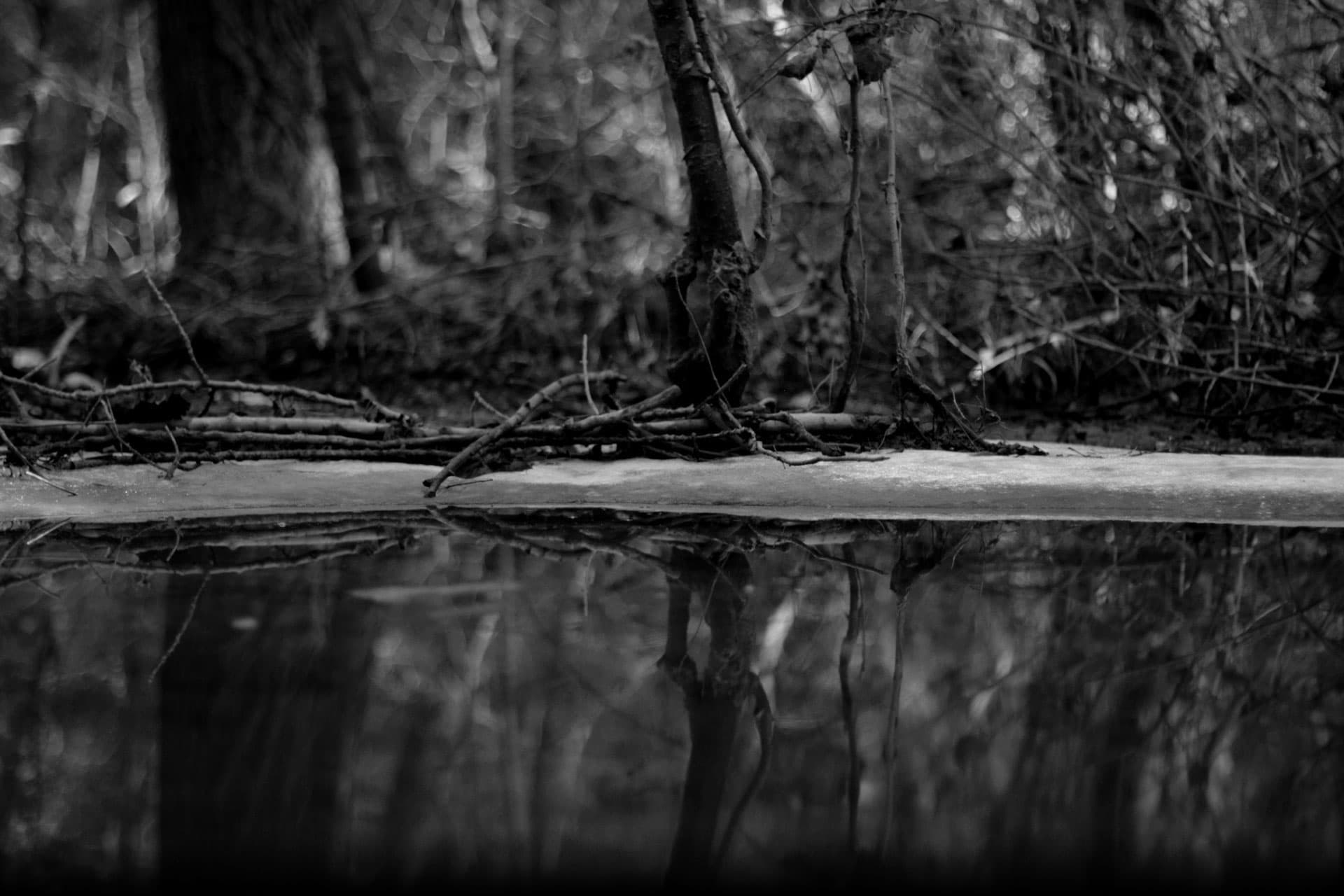
Echoneo-20-9: Dadaism Concept depicted in Baroque Style
7 min read
Artwork [20,9] presents the fusion of the Dadaism concept with the Baroque style.
As the architect of Echoneo, I find myself perpetually fascinated by the digital alchemies we conjure. Our latest coordinates, [20,9], have yielded a particularly provocative synthesis, intertwining two seemingly disparate epochs to reveal startling new insights. Let us dissect this compelling creation.
The Concept: Dadaism
Dadaism emerged from the crucible of World War I, a visceral reaction to a world seemingly consumed by irrationality and violence. At its core, Dada was less a style and more an attitude: a radical questioning of all established norms, from societal values to the very definition of art. Its genesis was fueled by profound disillusionment, an existential weariness with the perceived bankruptcy of bourgeois culture that had led to such cataclysmic conflict.
Core Themes: The movement championed meaninglessness and absurdity, embracing chaos as a counterpoint to the logical systems that had failed humanity. It was an outright rebellion and provocation, a deliberate shattering of aesthetic conventions and rational thought. Anti-art was not just a theme but a practice, aiming to dismantle the revered institutions of the art world.
Key Subjects: Dadaists elevated the mundane to the monumental through their readymades, found objects divorced from their original purpose and recontextualized as art. Collages of fragmented text and images from newspapers became visual manifestos, while machine parts often symbolized the dehumanizing aspects of modern industrialism. Performances, often nonsensical and confrontational, were integral to their aim of disrupting audience expectations.
Narrative & Emotion: The underlying narrative of Dada is one of defiant negation. It is a scream against the prevailing order, a rejection of sense in a world devoid of it. Emotionally, it sought to evoke a spectrum of reactions: from profound disorientation and cynical humor to outright outrage and irony. The intent was always to shock the viewer out of complacency, mirroring the era's pervasive sense of instability and a desperate yearning to break free from suffocating conventions.
The Style: Baroque Art
The Baroque era, spanning roughly from the early 17th to mid-18th centuries, was a period of dramatic grandeur and intense emotionality, a fervent response to the Protestant Reformation and a testament to the power of the Catholic Church and absolute monarchies. It was designed to overwhelm the senses, inspiring awe and piety through sheer visual spectacle.
Visuals: Baroque art is defined by its striking contrasts, frequently employing strong chiaroscuro and tenebrism where figures emerge dramatically from deep shadows into brilliant highlights. Scenes are often rendered with a profound sense of three-dimensionality, enhancing their emotional immediacy and visual impact.
Techniques & Medium: Oil painting was the predominant medium, allowing for rich glazing and impasto textures that added palpable depth and luminosity. Artists mastered dramatic foreshortening and strong diagonals to create compositions teeming with movement, eschewing static or symmetrical arrangements.
Color & Texture: The palette was characteristically rich and saturated, favoring deep reds, opulent golds, lush greens, and profound blues, all juxtaposed against luminous creams and impenetrable blacks. Textures, implied through masterful paint handling, ranged from the soft folds of luxurious fabrics to the roughhewn quality of stone or the glint of polished metal.
Composition: Dynamic and swirling compositions were paramount, often using strong diagonal lines and complex arrangements to draw the viewer's eye across the canvas. Figures were typically caught mid-action, at the very zenith of an emotional or physical climax, enhancing the theatricality of the moment.
Details: A hallmark of Baroque art is its emphasis on ornate detail and an overarching sense of theatricality. The specialization lay in creating an overwhelming sensory experience, conveying profound human emotion and spiritual drama with unparalleled intensity and visual rhetoric.
The Prompt's Intent for [Dadaism Concept, Baroque Style]
The deliberate challenge posed to the AI for this [20,9] coordinate was to bridge a chasm between two artistic philosophies seemingly at odds: the anti-aesthetic, anti-logic thrust of Dadaism and the deeply aesthetic, structurally rigorous grandeur of Baroque. The core instruction was not merely to depict Dadaist subjects, but to imbue them with the visual syntax of Baroque.
Specifically, the AI was tasked with rendering a nonsensical assemblage of found objects, fragmented text, and perhaps a deliberately defaced famous artwork, as a Dadaist would envision it. Yet, this chaotic vision was to be translated through the lens of Baroque. This meant applying strong chiaroscuro and tenebrism, casting dramatic shadows and brilliant highlights upon the absurdity. The palette was to be rich and saturated, transforming mundane elements into objects of unexpected opulence. Furthermore, the composition demanded to be dynamic, swirling, and full of the movement characteristic of Baroque masters, using strong diagonals and dramatic foreshortening to give monumentality to meaninglessness. The emotional target, Dada's absurdity and provocation, was to be heightened by Baroque's inherent theatricality and emotional intensity, caught at an "emotional climax" of pure illogicality.
Observations on the Result
The visual outcome of this audacious prompt is nothing short of arresting. What immediately strikes the viewer is the inherent tension: the rebellious chaos of Dada, instead of being presented flatly or crudely, is elevated to a disturbing, almost sacred, spectacle by the Baroque style. The AI has interpreted the instruction for chiaroscuro with chilling efficacy; a defaced reproduction, perhaps of a classical bust, emerges from profound darkness, its defilement ironically spotlighted, creating a perverse sense of reverence for desecration.
The integration of saturated Baroque colors transforms what should be mere junk into compelling, almost regal, elements. A fragmented newspaper text, rendered in rich golds and deep blues, seems to swirl within a dramatic vortex of light, suggesting a cosmic insignificance rather than simple randomness. The "machine parts" take on a curious, almost anatomical, quality under the dramatic lighting, appearing less as discarded components and more as instruments of an unknown, perhaps absurd, purpose. The overall composition, true to the Baroque mandate, is dynamic and diagonal, yet this movement now amplifies the sense of disorientation, pulling the eye through a theatrical presentation of irrationality. It is a bizarre triumph: the AI has rendered the anti-aesthetic with an uncomfortable, unsettling beauty, making the viewer question the very boundaries of visual harmony.
Significance of [Dadaism Concept, Baroque Style]
The collision of Dadaism and Baroque art through the Echoneo project reveals profound insights into the latent potentials and hidden assumptions within both movements. This fusion compels us to consider whether Dada’s inherent theatricality—its public provocations and performative absurdity—finds an unexpected mirror in Baroque’s overt drama and grandiosity. Could it be that the Dadaists, in their radical rejection of artistic convention, were, paradoxically, performing a kind of "anti-Baroque Baroque," using extreme gestures to elicit powerful emotional responses, albeit ones of shock and disillusionment rather than spiritual awe?
This specific synthesis highlights an intriguing irony: by applying Baroque’s tools of grandeur, emotional immediacy, and visual splendor to Dada's subjects, the AI forces us to confront the "beauty" of meaninglessness. It suggests that even chaos, when presented with such masterful technique, can command attention and provoke contemplation, transforming mere absurdity into a disquieting spectacle. Conversely, it interrogates Baroque’s own assumptions of beauty and order; can such an opulent style be employed to celebrate disarray without losing its essence, or does it merely underscore the profound irony of applying such reverence to the profane? What new meaning emerges is a powerful commentary on the cyclical nature of artistic response to societal upheaval. Both movements arose from periods of intense crisis—Baroque from the Counter-Reformation, Dada from a world shattered by war. This AI creation becomes a bridge across centuries, demonstrating that the impulse to create profound statements, whether of faith or nihilism, often demands an equally profound visual language, even if that language is employed in defiance of its own historical purpose.
The Prompt behind the the Artwork [20,9] "Dadaism Concept depicted in Baroque Style":
Concept:Visualize a nonsensical assemblage or collage combining found objects, fragmented text from newspapers, and machine parts, perhaps alongside a deliberately defaced reproduction of a famous artwork. The composition should feel random, chaotic, and provocative, rejecting traditional aesthetics and rational structure. It could also be a performance featuring simultaneous nonsensical poems or bizarre costumes, designed to challenge and disrupt audience expectations.Emotion target:Evoke feelings of absurdity, disorientation, humor, irony, or outrage. Aim to shock the viewer out of conventional thinking and complacency. Convey a deep critique of war, nationalism, and bourgeois values through irrationality and anti-art gestures, reflecting disillusionment and a desire to dismantle established norms.Art Style:Use strong chiaroscuro and tenebrism lighting to create deep shadows and brilliant highlights. Favor rich, saturated colors like deep reds, golds, dark greens, and deep blues, contrasted with luminous creams and sharp blacks. Composition should be dynamic, swirling, and full of movement — using strong diagonals, dramatic foreshortening, and ornate detail. Figures should be realistic, sensuous, caught mid-action or emotional climax. Avoid flat lighting, calmness, pale or pastel colors, and static or symmetrical compositions.Scene & Technical Details:Render the scene in a 4:3 aspect ratio (1536×1024 resolution) with dramatic, focused lighting to enhance the three-dimensionality and emotional tension. Use low or oblique camera angles to amplify the dynamism and theatricality. The setting can be a turbulent natural landscape or a dark, undefined background isolating the figures. Simulate oil painting with rich glazing and optional impasto textures for depth. Prioritize emotional immediacy, movement, grandeur, and ornate decorative richness, steering clear of serene, minimalist, or symmetrical approaches.