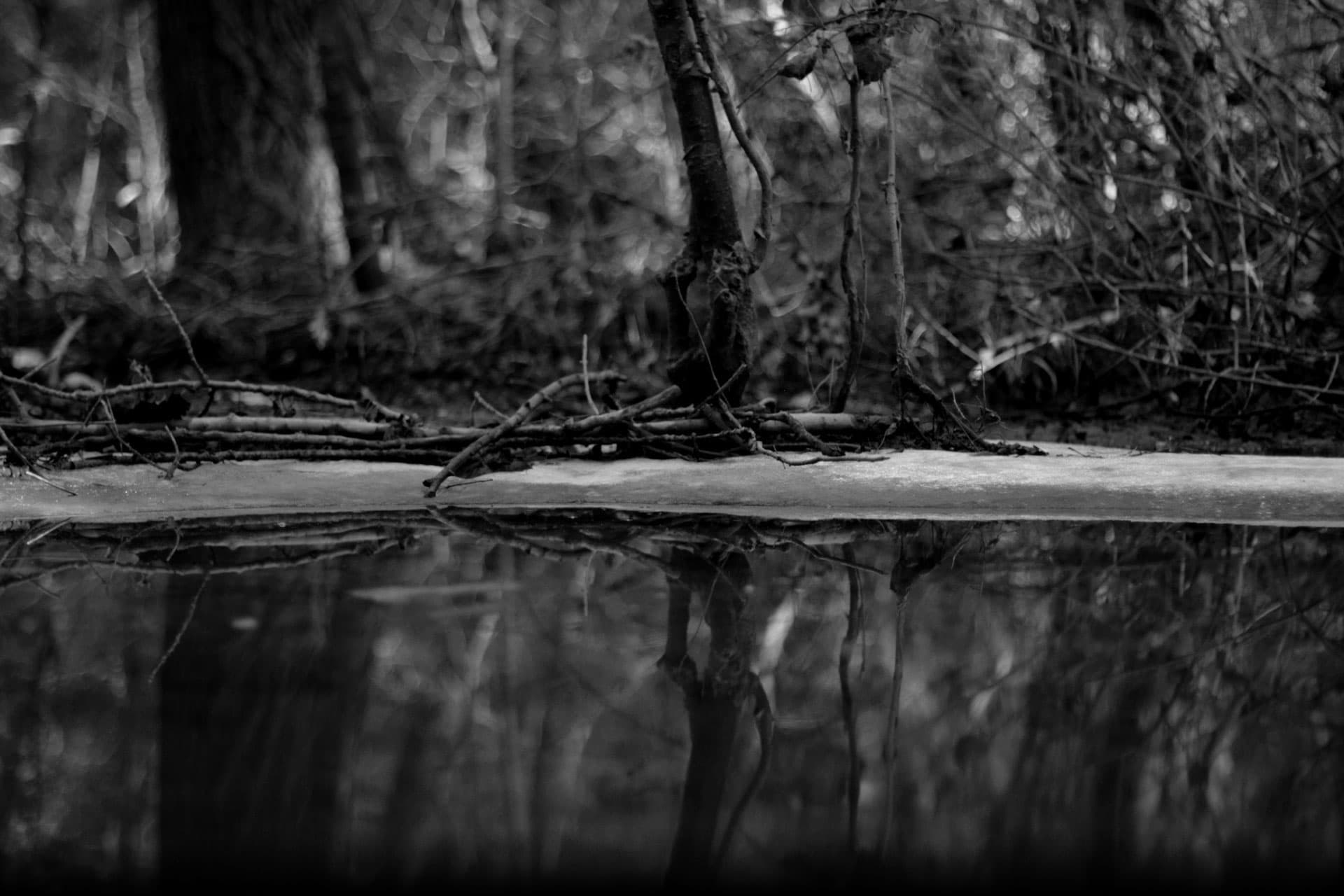
Echoneo-21-22: Surrealism Concept depicted in Abstract Expressionism Style
8 min read
Artwork [21,22] presents the fusion of the Surrealism concept with the Abstract Expressionism style.
As the curator of the Echoneo project and an avid explorer of art's evolving narratives, I am particularly fascinated by the intricate dance between established movements and their algorithmic reinterpretation. This artwork, with its intriguing coordinates [21,22], presents a compelling fusion: the conceptual depth of Surrealism married to the raw expressive power of Abstract Expressionism. Let us delve into its layers.
The Concept: Surrealism
At its genesis, Surrealism was more than an art movement; it was a profound philosophical and literary revolt against the tyranny of rational thought, born from the ashes of post-World War I disillusionment. Led by André Breton, it sought to liberate the human spirit by exploring the boundless territories of the subconscious mind.
- Core Themes: The movement fundamentally championed the unconscious and the realm of dreams as truer realities, uncorrupted by societal constraints. It celebrated the irrational and illogical, viewing them as pathways to profound truths. Automatism, the spontaneous expression without conscious control, was a crucial method, as was the embrace of desire and primal instincts. A revolutionary spirit permeated its very essence, challenging existing social and artistic norms.
- Key Subjects: Artists frequently depicted dreamlike landscapes where familiar objects were liberated from their conventional contexts, juxtaposed in startling, illogical arrangements—a melting clock in a barren desert, a train inexplicably emerging from a domestic fireplace. Alternatively, some explored biomorphic, abstract shapes that seemed to ooze directly from the mind's deepest recesses, bypassing rational intervention entirely.
- Narrative & Emotion: The narrative within Surrealism is rarely linear; instead, it invites the viewer into a psychological labyrinth. The emotional impact aims to evoke a profound sense of mystery, wonder, or the uncanny, often bordering on psychological unease. It seeks to stir the viewer's subconscious, unearthing hidden desires, anxieties, or associations, creating a distinct feeling of venturing into the bizarre and captivating landscape of the irrational mind.
The Style: Abstract Expressionism
Emerging from the tumultuous mid-20th century, Abstract Expressionism was America’s first truly significant contribution to modern art, a seismic shift that prioritized internal emotion over external representation. It was a visceral response to the anxieties of the post-war era, transforming the canvas into an arena for profound personal expression.
- Visuals: The visual vocabulary of Abstract Expressionism is decidedly non-representational, characterized by vast, emotive fields of color or energetic, gestural marks. It eschewed narrative, focusing instead on the raw impact of form and pigment.
- Techniques & Medium: Two dominant approaches defined the style: Action Painting, exemplified by vigorous, physical mark-making through dripping, splashing, and heavily impastoed layers; and Color Field Painting, which emphasized expansive, luminous or somber areas of color that seemed to float or breathe. Artists typically worked on large-scale canvases, often with oil or acrylic paints, transforming the act of painting into a performance.
- Color & Texture: Color played a pivotal role, not for descriptive purposes, but for its inherent emotive power—ranging from vibrant and dynamic to somber and contemplative. Texture was paramount, especially in Action Painting, where thick impasto created tactile, multi-layered surfaces. Color Field works, conversely, often employed staining techniques for a more ethereal, permeable quality, frequently with flat, even lighting that avoided naturalistic shadows.
- Composition: Composition was often 'all-over,' meaning the entire surface was activated without a singular focal point, or alternatively, comprised of simplified, monumental color planes. The emphasis was consistently on the material presence of the paint, surface variations, and the evocation of dynamic or meditative energy, rather than traditional spatial depth or perspective.
- Details & Speciality: The specialty of Abstract Expressionism lay in its unwavering focus on the artist's internal emotions, psychological states, or mythic concepts, transcending narrative or recognizable forms. It was about conveying sublimity and transcendence through pure visual experience, prioritizing the process of creation itself as an extension of the artist's psyche.
The Prompt's Intent for [Surrealism Concept, Abstract Expressionism Style]
The specific creative challenge posed to the AI was to bridge two seemingly disparate worlds: the conceptual uncanny of Surrealism with the non-representational fervor of Abstract Expressionism. The instructions aimed to fuse Surrealism’s deep dive into the unconscious and its liberation from rational constraints with Abstract Expressionism's spontaneous, emotionally charged, and visually abstract execution.
The core directive was to conceptually "depict a dreamlike landscape where familiar objects are juxtaposed in illogical ways" or to "use automatic drawing or painting techniques to create biomorphic, abstract shapes that seem to emerge directly from the subconscious mind without rational control" – all while being rendered in the distinct aesthetic of Abstract Expressionism. This meant applying "non-representational imagery created through spontaneous, gestural, and emotionally charged techniques," potentially an "all-over energetic surface without clear focal points" or "simplified, large color fields." The AI was tasked with channeling the "mystery, wonder, the uncanny" of Surrealism, not through explicit figuration, but through the abstract visual language and material presence characteristic of AbEx. The tension lay in how the AI would interpret "familiar objects in illogical ways" without depicting them literally, or how it would evoke "psychological unease" through pure form and color, rather than narrative symbolism.
Observations on the Result
The AI’s interpretation of this demanding prompt is nothing short of fascinating, revealing both a sophisticated understanding and inherent tensions. What emerges is not a literal melting clock overlaid with drips, but rather an abstracted echo of a dreamscape, a subconscious tremor expressed through pure gestural energy.
The image successfully harnesses the "all-over" composition of Action Painting, with dynamic, sweeping gestures and layered pigments creating a complex visual field that lacks a discernible focal point. This successfully immerses the viewer in a boundless, energetic space, much like a Rothko engulfs with color, but with Pollock’s restless spirit. The flat, even lighting, a specific AbEx requirement, paradoxically enhances the Surrealist's "uncanny" feel by stripping away naturalistic context, leaving only raw, emotive form. The "material presence of the paint" is palpable, conveying the immediate, unmediated act of creation.
The surprising element lies in how the AI infuses the Surrealist concept without explicit representation. There are no recognizable objects, yet the interwoven abstract forms, the unexpected chromatic shifts, and the unsettling density of the painterly gestures evoke a distinct sense of psychological unease and bizarre juxtaposition. It's as if the feeling of melting clocks or impossible architectures has been translated into pure color and line—a biomorphic abstraction that pulses with the illogical vitality of a dream. The dissonance arises from the Surrealist instruction to use "realistic, detailed painting techniques to make the impossible seem believable," which AbEx fundamentally rejects. The AI resolves this by rendering the impossibility itself, not through meticulous detail, but through the unbelievable spontaneity of abstract mark-making, making the illogical seem believable purely through raw visual impact.
Significance of [Surrealism Concept, Abstract Expressionism Style]
This audacious fusion of Surrealism's conceptual depths with Abstract Expressionism's stylistic radicalism reveals profound insights into both movements and the very nature of subconscious expression.
It suggests that the "suppressed desires and the subconscious" that Surrealism sought to explore are not solely tethered to figurative representation; they can find equally potent, albeit more elusive, expression within the seemingly non-objective realms of abstraction. This AI-generated artwork implies a latent Surrealist potential within Abstract Expressionism, positing that perhaps Pollock's frenetic drips were, in their own right, a form of automatism, a direct channeling of the unconscious onto the canvas, just without the recognizable dream iconography of Dalí or Magritte.
Conversely, it challenges the assumption that Surrealism's "uncanny" or "dreamlike" qualities absolutely require discernible, albeit distorted, objects. This collision demonstrates that the "irrational/illogical" can be conveyed through the very fabric of paint and composition—a purely visual "bizarre landscape" that operates on an intuitive, pre-cognitive level, stirring associations and feelings directly, bypassing the need for symbolic deciphering.
The new meanings emerging from this synthesis are particularly compelling: we witness an "all-over" psychological space where the narrative of the subconscious is felt rather than read, a profound liberation of the dream state into pure, unbridled form. The irony lies in the bridging of Dalí's meticulous, almost hyper-real precision in depicting the absurd, with Pollock's explosive, uncontained spontaneity. Yet, in this algorithmic crucible, they find common ground in their shared mission: to explore the limits of reality and the boundless terrain of the human mind, forging a new aesthetic that is at once deeply personal and universally resonant. It’s a compelling testament to how art, even when generated by algorithms, continues to reveal hidden connections and illuminate unexplored territories of human experience.
The Prompt behind the the Artwork [21,22] "Surrealism Concept depicted in Abstract Expressionism Style":
Concept:Depict a dreamlike landscape where familiar objects are juxtaposed in illogical ways, such as melting clocks in a desert (Dalí) or a train emerging from a fireplace (Magritte). Utilize realistic, detailed painting techniques to make the impossible seem believable. Alternatively, use automatic drawing or painting techniques to create biomorphic, abstract shapes that seem to emerge directly from the subconscious mind without rational control.Emotion target:Evoke a sense of mystery, wonder, the uncanny, psychological unease, or liberation from rational constraints. Tap into the viewer's subconscious, stirring hidden desires, fears, or associations. Create a feeling of exploring the bizarre and fascinating landscape of dreams and the irrational mind.Art Style:Apply the Abstract Expressionist style, emphasizing non-representational imagery created through spontaneous, gestural, and emotionally charged techniques. Explore two major approaches: Action Painting, which focuses on vigorous, physical mark-making like dripping, splashing, and impasto layers; and Color Field Painting, which emphasizes expansive, contemplative areas of luminous or somber color. Prioritize the artist's internal emotions, psychological states, or mythic concepts over narrative or recognizable forms. Use either highly textured, energetic surfaces (Action Painting) or large, soft-edged color planes (Color Field Painting) to evoke sublimity and transcendence.Scene & Technical Details:Render the work in a 4:3 aspect ratio (1536×1024 resolution) with flat, even lighting that does not create naturalistic shadows. Compose the scene either as an 'all-over' energetic surface without clear focal points (Action Painting) or with simplified, large color fields (Color Field Painting). Emphasize the material presence of the paint, surface variations, and dynamic or meditative energy. Avoid realistic spatial depth, traditional perspective, and detailed figure depiction. The focus should remain on abstract emotional resonance through process and pure visual experience.