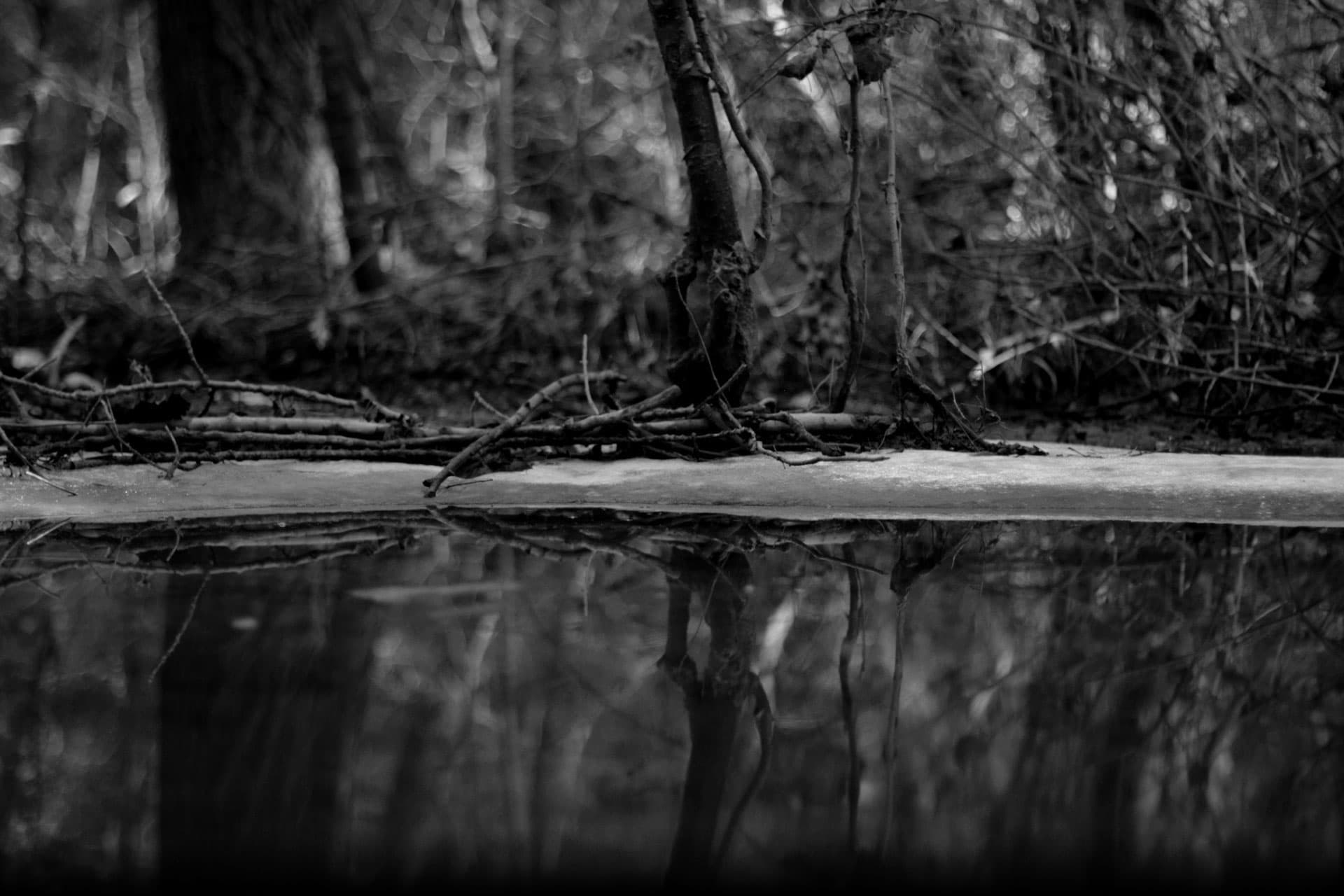
Echoneo-21-9: Surrealism Concept depicted in Baroque Style
6 min read
Artwork [21,9] presents the fusion of the Surrealism concept with the Baroque style.
The Concept: Surrealism
Core Themes
Surrealism sought a profound liberation from the shackles of oppressive reason, championing the boundless realm of the subconscious mind. Its essence lay in exploring suppressed desires, confronting the very limits of perceived reality, and fostering a revolutionary spirit that defied conventional artistic and societal norms.
Key Subjects
The movement frequently depicted dreamlike landscapes where the familiar became profoundly disoriented through illogical juxtapositions—think of Dalí's iconic melting horologes in a desolate expanse, or Magritte's train impossibly emerging from a fireplace. Alternatively, artists embraced automatism, yielding biomorphic, abstract configurations that seemed to materialize directly from the mind's hidden depths, unmediated by rational thought.
Narrative & Emotion
Surrealist art aimed to immerse the viewer in a narrative of exploring the bizarre and fascinating inner world of dreams and the irrational. It consistently evoked a potent sense of mystery, profound wonder, and the uncanny. The emotional target was to stir psychological unease or, conversely, a liberating release from logical constraints, deeply tapping into the viewer's subconscious to unearth hidden desires, fears, or complex associations.
The Style: Baroque Art
Visuals
Baroque art is instantly recognizable by its dramatic visual lexicon: a masterful interplay of deep shadows and brilliant, focused highlights, often bathed in rich, intensely saturated hues such as crimson, burnished gold, profound emerald, and sapphire blue, juxtaposed against luminous creams and stark blacks. Figures are rendered with compelling realism and sensuous detail, invariably caught at a peak of action or emotional crescendo.
Techniques & Medium
Pioneering techniques like chiaroscuro and tenebrism were central to the Baroque aesthetic, creating a profound three-dimensionality and emotional tension through extreme contrasts of light and dark. Artists employed dramatic foreshortening to amplify dynamism, typically working in oil painting, utilizing opulent glazing for depth and sometimes robust impasto textures for a palpable surface quality.
Color & Texture
The palette favored deep, resonant colors, achieving a visual opulence that spoke of grandeur and drama. The use of light and shadow was paramount; light was not merely illustrative but performative, carving out forms from intense darkness. Textures, where present, were often rich and varied, conveying a sense of material luxury and tactile presence through the built-up layers of paint.
Composition
Baroque compositions are characteristically dynamic, swirling, and imbued with an overwhelming sense of movement. Strong diagonals dominate, pulling the eye through the scene with energetic force. The theatricality is often enhanced by low or oblique camera angles, contributing to a sense of grand spectacle and immersive involvement, steering resolutely away from static or symmetrical arrangements.
Details
The specialty of Baroque art lay in its uncompromising commitment to emotional immediacy, vigorous movement, and imposing grandeur. Every element, from the intricate decorative richness to the figures' heightened expressions, was meticulously crafted to heighten the viewer's emotional response, inviting participation in a moment of powerful revelation or intense drama.
The Prompt's Intent for [Surrealism Concept, Baroque Style]
The specific creative challenge posed to the AI for artwork [21,9] was to orchestrate an audacious temporal and philosophical collision: to render the dream logic and profound psychological inquiry of Surrealism through the grand, theatrical lens of Baroque art. The instructions mandated the fusion of Surrealism's core conceptual tenets—depicting an impossible, illogically juxtaposed landscape akin to Dalí's visions, or biomorphic forms born from automatism—with the stylistic imperative of Baroque mastery. This meant applying Caravaggio's intense chiaroscuro, his dynamic compositions replete with strong diagonals and dramatic foreshortening, and his rich, saturated color palette to a world utterly untethered from rational reality. The AI was tasked to make the intrinsically unbelievable appear viscerally tangible, to infuse the uncanny mystery of the subconscious with the compelling, almost palpable presence characteristic of the 17th century's most emotionally charged art. The aim was to create an image where the limits of reality, explored by Surrealism, would be amplified by Baroque's dramatic realism, transforming private subconscious experiences into a public, overwhelming spectacle.
Observations on the Result
The visual outcome of artwork [21,9] is a compelling testament to the AI's interpretive prowess. The Surrealist mandate for illogically juxtaposed objects manifests with striking clarity; one can discern familiar forms twisted into bizarre configurations, yet rendered with the absolute conviction of Baroque realism. The success lies in the application of Caravaggio-esque tenebrism, which casts the dreamscape into profound shadow, allowing a single, focused light source to dramatically illuminate the impossible elements. A melting form might gleam with an unearthly luminescence, its liquefaction rendered with the tactile oil impasto of the Baroque, while its shadow stretches endlessly into the depths. The compositional dynamism, a hallmark of Baroque, imbues these static, uncanny scenes with an unexpected sense of movement and tension, almost as if the subconscious itself is caught in a dramatic, swirling climax. What is surprising is how the inherent theatricality of Baroque doesn't diminish the mystery of Surrealism but rather amplifies it, making the subconscious feel like a grand, staged event. However, a potential dissonance might emerge in the emotional targeting; the raw, unpolished psychological unease of Surrealism could, at times, be overwhelmed by the sheer, overwhelming grandeur of the Baroque, potentially transforming subtle anxieties into epic pronouncements.
Significance of [Surrealism Concept, Baroque Style]
The fusion of Surrealism and Baroque in artwork [21,9] reveals a fascinating dialectic between two seemingly disparate artistic epochs, exposing profound latent potentials within both movements. Surrealism, typically focused on uncovering the raw, unmediated expressions of the subconscious, finds an unexpected amplification in the Baroque's command of emotional immediacy and dramatic presentation. Imagine the revolutionary spirit of Surrealism—its defiance of rational constraints—rendered not as a quiet, internal rebellion, but as an epic, chiaroscuro-drenched theatrical spectacle. This collision suggests that the realm of the irrational, far from being a chaotic void, possesses its own formidable internal logic and dramatic structure, capable of grand staging. The Baroque's relentless pursuit of overwhelming sensory experience elevates the uncanny and the bizarre from mere psychological oddities to moments of almost sacred, albeit unsettling, revelation. Conversely, Surrealism offers Baroque a new, boundless thematic frontier beyond traditional religious or mythological narratives; the human psyche itself becomes the grand subject, its hidden desires and fears illuminated with Caravaggio's divine light. The irony is poignant: a style renowned for depicting tangible spiritual encounters now lends its gravitas to the purely intangible, subjective landscape of dreams. What emerges is a startling beauty—the sublime horror of a nightmare or the profound wonder of a revelation made palpably real, infused with a visceral grandeur that transcends mere representation, transforming the exploration of the subconscious into an awe-inspiring, almost overwhelming experience. This specific fusion challenges our assumptions about both reality and representation, hinting that perhaps the most profound truths reside not in the logical, but in the magnificently illogical, cast in dramatic light.
The Prompt behind the the Artwork [21,9] "Surrealism Concept depicted in Baroque Style":
Concept:Depict a dreamlike landscape where familiar objects are juxtaposed in illogical ways, such as melting clocks in a desert (Dalí) or a train emerging from a fireplace (Magritte). Utilize realistic, detailed painting techniques to make the impossible seem believable. Alternatively, use automatic drawing or painting techniques to create biomorphic, abstract shapes that seem to emerge directly from the subconscious mind without rational control.Emotion target:Evoke a sense of mystery, wonder, the uncanny, psychological unease, or liberation from rational constraints. Tap into the viewer's subconscious, stirring hidden desires, fears, or associations. Create a feeling of exploring the bizarre and fascinating landscape of dreams and the irrational mind.Art Style:Use strong chiaroscuro and tenebrism lighting to create deep shadows and brilliant highlights. Favor rich, saturated colors like deep reds, golds, dark greens, and deep blues, contrasted with luminous creams and sharp blacks. Composition should be dynamic, swirling, and full of movement — using strong diagonals, dramatic foreshortening, and ornate detail. Figures should be realistic, sensuous, caught mid-action or emotional climax. Avoid flat lighting, calmness, pale or pastel colors, and static or symmetrical compositions.Scene & Technical Details:Render the scene in a 4:3 aspect ratio (1536×1024 resolution) with dramatic, focused lighting to enhance the three-dimensionality and emotional tension. Use low or oblique camera angles to amplify the dynamism and theatricality. The setting can be a turbulent natural landscape or a dark, undefined background isolating the figures. Simulate oil painting with rich glazing and optional impasto textures for depth. Prioritize emotional immediacy, movement, grandeur, and ornate decorative richness, steering clear of serene, minimalist, or symmetrical approaches.