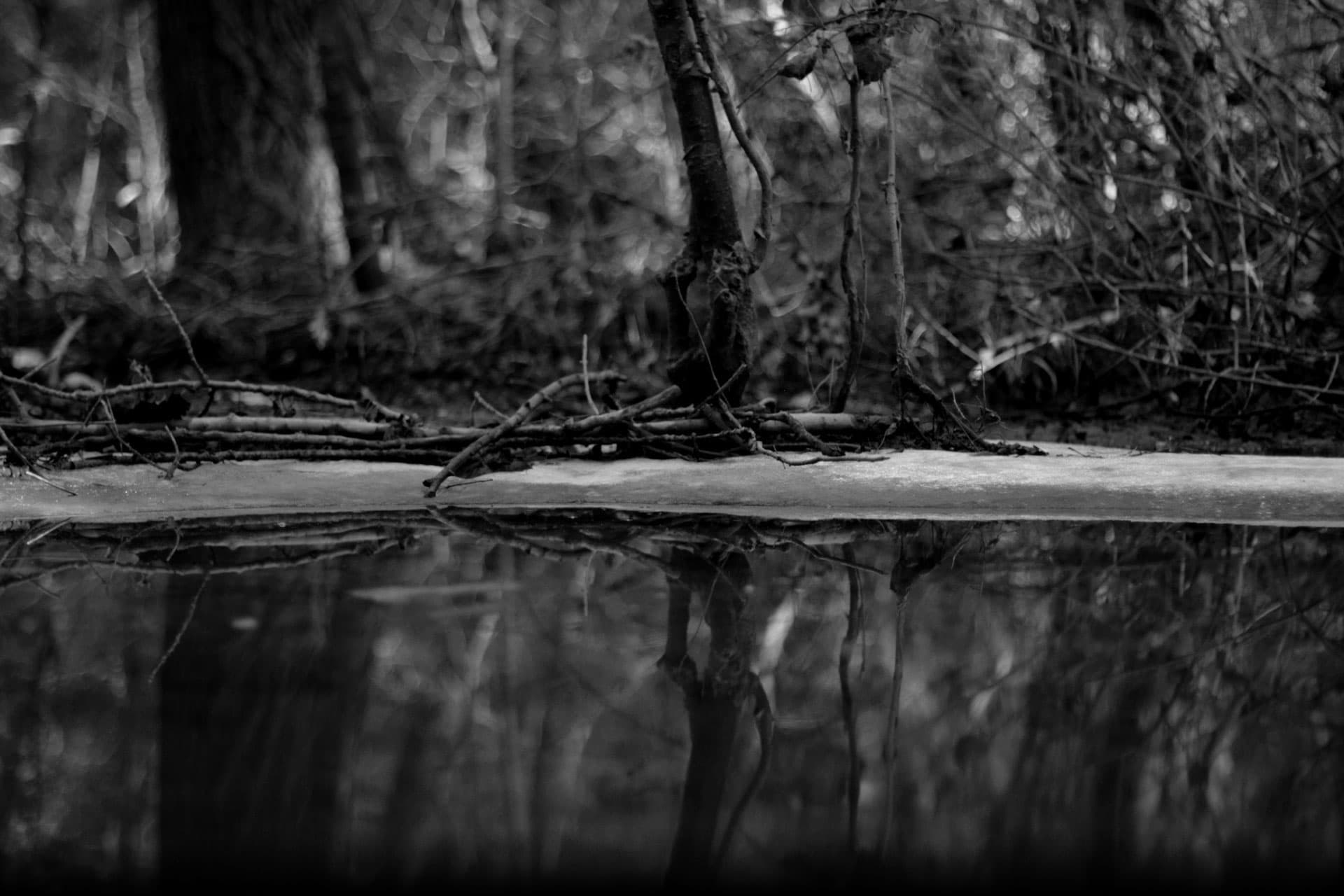
Echoneo-27-12: Contemporary Art Concept depicted in Romanticism Style
6 min read
Artwork [27,12] presents the fusion of the Contemporary Art concept with the Romanticism style.
The Concept: Contemporary Art
Contemporary Art, spanning roughly from 1970 to the present, fundamentally interrogates the impact of pervasive technology on human existence and navigates the labyrinth of virtual and physical realities. Drawing inspiration from figures like Refik Anadol, whose "Machine Hallucinations" exemplify the fusion of data and digital aesthetics, this period amplifies global issues, from ecological crises and climate change to socio-political shifts and the overwhelming influx of information. Core themes revolve around globalization's interconnectedness, the profound implications of digitalization and cyber culture, the evolving network society, an urgent ecological awareness, and the fluid nature of identity in a technologically saturated world. Key subjects frequently manifest as explorations of identity politics, pressing environmental concerns, the pervasive influence of digital culture, and incisive critiques of established power structures. The narrative of Contemporary Art is often fragmented, polyphonic, and inherently reflective of our complex present moment, embracing a polyphony of voices and hybrid mediums. Its emotional spectrum is exceptionally broad, seeking to provoke cognitive dissonance or profound empathy, incite social or political awareness, orchestrate immersive sensory experiences, express intricate personal identities, delve into complex human feelings like love, loss, and anxiety, or fundamentally challenge the viewer's perspective on current realities. The emotional connection invariably stems from the work's acute relevance to contemporary lived experience.
The Style: Romanticism
Romanticism, flourishing between approximately 1800 and 1850, is characterized by a visceral appeal to profound human feeling, fervent individualism, and unrestrained imagination, all steeped in a dramatic, often awe-inspiring atmosphere. Exemplified by artists such as Caspar David Friedrich, whose "Wanderer above the Sea of Fog" captures the sublime, the style exalts the untamed power of the natural world, frequently depicting it as overwhelming, dwarfing human figures, or serving as a grand mirror to internal moods. Visuals frequently feature dynamic, turbulent, or evocative scenes that convey awe, terror, passion, or melancholy. Techniques involve expressive, visible impasto and sweeping strokes of the brush, with glazing and scumbling applied to build nuanced atmospheric effects. The color palette is steeped in tempestuous blues, brooding grays, intense reds, verdant greens, golden highlights, and ethereal whites. Light's emotional impact is paramount, evident in dramatic sunsets, violent storms, or enshrouding fogs, always eschewing classical restraint. Compositionally, Romantic works are often dynamic and asymmetrical, utilizing strong diagonals, swirling movements, or vast natural expanses to draw the viewer into the scene's emotional core. A sense of palpable atmosphere is paramount, achieved through visible texture and brushwork that emphasize elements like mist, storm clouds, or rugged terrain. The speciality of Romanticism lies in its devotion to expressive depth, emotional resonance, and an immersive, sublime experience that prioritizes feeling over rational order, avoiding clean, polished finishes in favor of raw, evocative power.
The Prompt's Intent for [Contemporary Art Concept, Romanticism Style]
The specific creative challenge presented to the AI was to bridge temporal chasms, asking: How might the overwhelming data flows and existential anxieties of our era find resonance within the sublime awe of a nineteenth-century vista? The directive was not merely to superimpose elements, but to forge a cohesive new aesthetic. Instructions focused on rendering the invisible architectures of our networked existence through the lens of evocative Romantic landscapes. The AI was tasked to imagine data's deluge as a powerful, untamed natural force, much like a storm or a vast mountain range. It needed to synthesize the abstract anxiety of digital overload with the tangible terror or melancholy inherent in nature’s majesty, while adhering to Romanticism's visual language: the dramatic 4:3 aspect ratio, mood-enhancing chiaroscuro to highlight the profound disquiet or beauty in information, and dynamic, asymmetrical compositions filled with atmospheric texture. The underlying instruction was to evoke the Refik Anadol sense of Machine Hallucinations – the sheer volume and abstract form of data – but to embody it with the Caspar David Friedrich spirit of the Wanderer above the Sea of Fog, where a solitary figure (or perhaps a data point) confronts an overwhelming, awe-inspiring, yet potentially alienating expanse.
Observations on the Result
The AI's rendering delivers a haunting tableau, a visual paradox that is both familiar and profoundly unsettling. It has interpreted the fusion with remarkable ingenuity. The visual outcome presents a vast, digitally fragmented landscape, its towering forms sculpted not from rock and earth, but from swirling, luminous data streams and pixelated clouds. A storm-lashed digital ocean stretches into the horizon, mirroring the wild seascapes of Romanticism, yet its waves ripple with algorithms and code. The chiaroscuro, a signature of Romanticism, is masterfully employed to illuminate fractured data streams, casting deep shadows within algorithmic valleys, creating a sense of profound depth and mystery. The dramatic lighting, with its golden light breaking through tempestuous "cloud" formations of information, evokes a Friedrich-esque sense of the sublime, but now applied to the intangible. The dynamic composition, with strong diagonals formed by cascading digital currents, successfully channels the Romantic sensibility. What is particularly successful is the AI's ability to imbue the abstract concept of data with the emotional weight and atmospheric texture characteristic of the 19th-century style. The surprise lies in how naturally the sublime awe of nature translates to the overwhelming scale of information. A subtle dissonance, however, emerges in the texture; while mimicking visible brushwork, the underlying digital precision occasionally peeks through, creating a slight uncanny valley where organic meets synthetic.
Significance of [Contemporary Art Concept, Romanticism Style]
This specific fusion reveals an unexpected philosophical kinship between two seemingly disparate epochs. Both Romanticism and Contemporary Art grapple with the overwhelming scale of forces beyond individual human control – for the former, the untamed power of nature; for the latter, the pervasive force of technology, data, and global systems. Romanticism’s sublime sought a connection to the infinite within the natural world; this AI-generated artwork, by contrast, confronts the infinite in data and connectivity, re-framing the digital as a new frontier of awe and existential pondering. The irony is poignant: a period that celebrated individual emotion against the backdrop of natural grandeur is now employed to depict the very forces that can alienate or subsume the individual in a networked society. Yet, within this irony, a unique beauty emerges. It suggests that even as our existential anxieties evolve from the raw elements to the virtual realm, the human need to grasp the immense, to feel overwhelmed yet somehow connected, persists. This collision of styles offers a profound commentary: the sublime is not just found in nature's vastness, but also in the incomprehensible depths of our own technologically constructed realities. The work thus serves as an invitation to meditate on the enduring human quest for meaning amidst chaos, whether natural or digital, proving that art's capacity to confront the great forces of its time remains timeless.
The Prompt behind the the Artwork [27,12] "Contemporary Art Concept depicted in Romanticism Style":
Concept:Represent an artwork reflecting current global issues, social concerns, or technological advancements, using any possible medium (installation, video, digital art, performance, traditional media employed in new ways). The work might engage with identity politics, environmental concerns, digital culture, or critique power structures. It should feel relevant to the present moment, potentially drawing on diverse artistic strategies and embracing hybridity.Emotion target:Highly varied, reflecting the diversity of contemporary life itself. Can aim to provoke thought, foster empathy, incite social or political awareness, create sensory experiences, express personal identity, explore complex feelings (love, loss, anxiety, connection), or challenge the viewer's perspective on current realities. The emotional connection often stems from the relevance of the themes to lived experience today.Art Style:Use the Romanticism style characterized by strong emotion, individualism, imagination, and dramatic atmosphere. Depict nature as powerful, wild, and untamed, often dwarfing human figures or reflecting human moods. Employ dynamic, turbulent, or evocative scenes that convey awe, terror, passion, or melancholy. Utilize expressive, visible brushwork with glazing, scumbling, or impasto techniques to build atmospheric effects. Favor rich, evocative color palettes with deep blues, stormy grays, intense reds, earthy greens, golden lights, and misty whites. Focus on light's emotional impact, such as sunsets, storms, or fog, avoiding rigid classical order or restraint.Scene & Technical Details:Render in a 4:3 aspect ratio (1536×1024 resolution) with dramatic, mood-enhancing lighting, employing chiaroscuro effects to heighten emotional tension. Compose scenes dynamically and asymmetrically, using strong diagonals, swirling movements, or vast natural expanses. Create a sense of atmosphere with visible texture and brushwork, emphasizing elements like mist, storm clouds, water surfaces, or rugged terrain. Avoid classical symmetry, flat perspectives, or clean, polished finishes — instead favor expressive depth, emotional resonance, and an immersive, sublime experience.