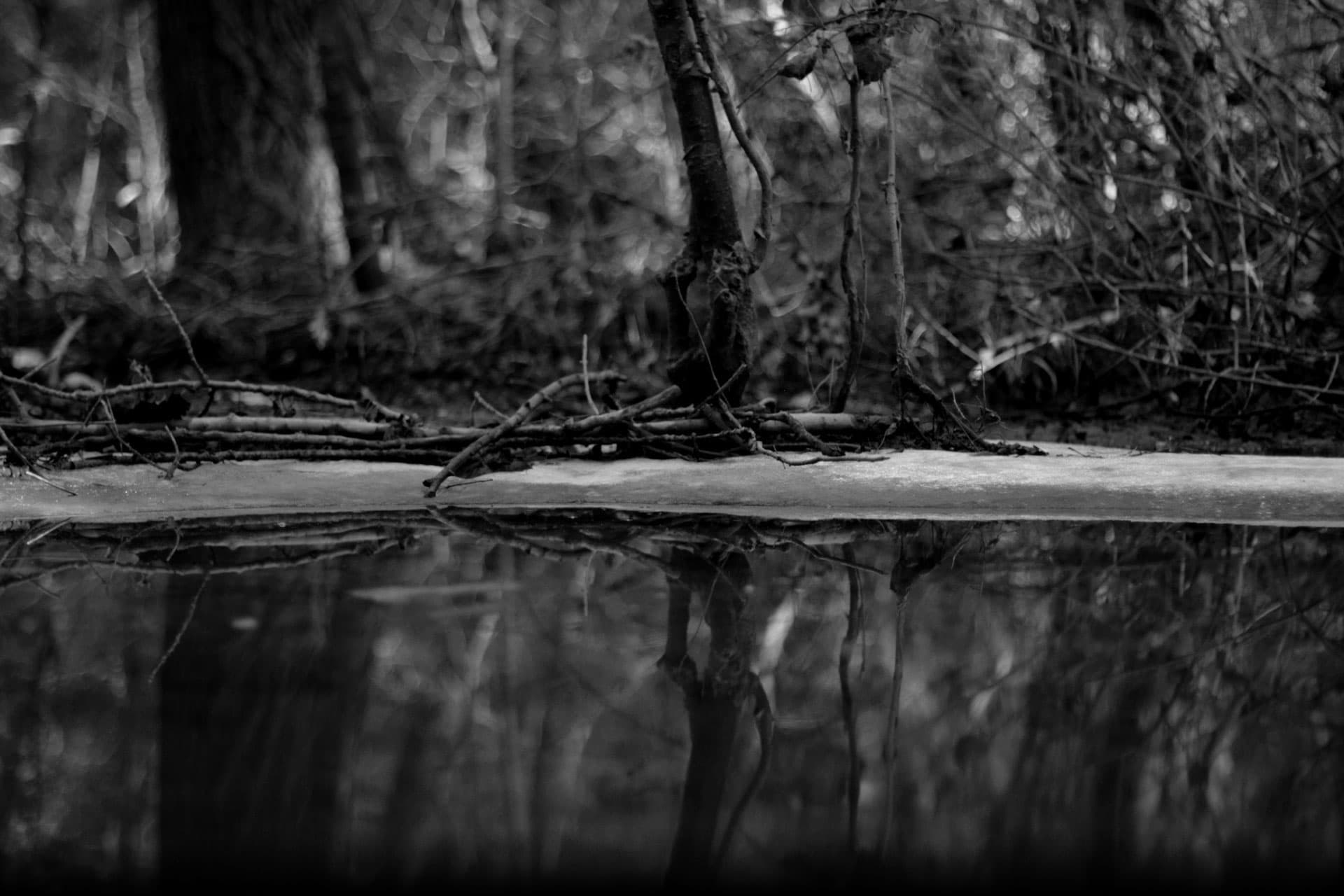
Echoneo-21-27: Surrealism Concept depicted in Contemporary Art Style
9 min read
Artwork [21,27] presents the fusion of the Surrealism concept with the Contemporary Art style.
As the mind behind Echoneo, I constantly explore the liminal spaces where computation intersects with consciousness, where algorithms dream, and data sculpts new realities. Our current AI-generated artwork, located at coordinates [21,27], offers a fascinating case study. It’s a synthesis engineered to provoke, drawing deeply from two distinct yet surprisingly resonant artistic currents. Let’s unravel its intricate layers.
The Concept: Surrealism
Surrealism, emerging around 1924, was far more than an artistic movement; it was a revolutionary philosophical and psychological exploration. Born from the intellectual ferment following World War I and influenced by Freudian psychoanalysis, its core tenet was to liberate humanity from the perceived oppression of rigid reason and societal conventions. It sought a higher reality – a surreality – by dissolving the boundaries between dream and waking life, the conscious and the unconscious mind.
- Core Themes: This artistic revolution delved deep into the unconscious and dreams, viewing them as conduits to truth. It championed the irrational and illogical, seeking to bypass rational control through techniques like automatism, where creation flowed directly from the subconscious. Desire, instinct, and the revolutionary spirit to dismantle existing orders were paramount, celebrating spontaneity and the unfettered imagination.
- Key Subjects: Visually, Surrealism manifested in diverse forms. Salvador Dalí famously depicted dreamlike landscapes where familiar objects, such as timepieces, melted into distortion, creating uncanny juxtapositions that made the impossible seem profoundly real through meticulous rendering. René Magritte similarly presented everyday scenes with startling, illogical elements. Conversely, artists like Joan Miró or André Masson utilized automatic drawing to produce biomorphic, abstract shapes, seemingly direct emanations from the subconscious, devoid of rational intervention.
- Narrative & Emotion: The underlying narrative of Surrealism was one of profound psychological exploration, an odyssey into the bizarre and fascinating landscape of the mind. Its emotional target was to evoke a sense of mystery, wonder, and the uncanny, often bordering on psychological unease. Yet, it also promised liberation from rational constraints, stirring hidden desires, fears, and unexpected associations within the viewer's subconscious, inviting them to confront the absurd and embrace the fantastical.
The Style: Contemporary Art
Spanning from the 1970s to the present, Contemporary Art is defined by its radical inclusivity and an utter refusal to conform to a singular aesthetic or ideological framework. It’s a dynamic, ever-evolving landscape characterized by extreme diversity and a profound sense of globalized pluralism. This period embraces an eclectic range of influences, reflecting societal shifts, technological advancements, environmental consciousness, identity politics, and interdisciplinary practices.
- Visuals: There is no prescribed visual language; manifestations can range from hyperrealism that blurs the lines with photography to pure abstraction, from minimalist restraint to maximalist excess. Visual choices are entirely dictated by the work's conceptual underpinning, often incorporating influences from digital culture, social media aesthetics, and an awareness of global artistic traditions.
- Techniques & Medium: Contemporary artists frequently blend traditional media with cutting-edge digital technologies, including AI-assisted creation, pushing the boundaries of what constitutes art. Installation, performance art, community engagement projects, and video art are as prevalent as painting or sculpture. Appropriation, irony, and the hybridization of disciplines are common strategies, demonstrating a fluid approach to artistic creation.
- Color & Texture: Rather than adhering to specific palettes or material qualities, color and texture in Contemporary Art are entirely subservient to the conceptual intent. Lighting, too, is not bound by convention; it can be flat and even, dramatic, or entirely absent, depending on the desired impact. The provided parameters for this piece—flat lighting and a direct view—are stylistic choices made for this specific conceptual fusion, not universal directives for the broader movement.
- Composition: Like other visual elements, composition in Contemporary Art is liberated from traditional rules. It can be rigorously structured or deliberately chaotic. For this specific artwork, a 4:3 aspect ratio and a direct, straight-on camera view were chosen, emphasizing a confrontational or observational stance rather than a picturesque one.
- Details & Speciality: The defining specialty of Contemporary Art lies in its conceptual flexibility and its rejection of rigid stylistic constraints. Every choice regarding detail, texture, resolution (here, 1536×1024), or visual complexity is a deliberate decision made to serve the specific conceptual, emotional, or narrative focus of the artwork. Its strength lies in its capacity for boundless experimentation and its constant redefinition of artistic practice.
The Prompt's Intent for [Surrealism Concept, Contemporary Art Style]
The specific creative challenge posed to the AI for this artwork at [21,27] was to bridge the profound, subconscious explorations of Surrealism with the unbound, technologically informed methodology of Contemporary Art. The instruction aimed to task the artificial intelligence not merely with replicating images, but with interpreting and generating a vision that could genuinely embody the spirit of both movements.
The core challenge presented was to envision a dreamlike landscape, replete with illogical juxtapositions characteristic of Dalí, yet rendered through the lens of a modern digital aesthetic, akin to Refik Anadol's data sculptures. The AI was instructed to make the impossible seem believable, a foundational Surrealist objective, by utilizing contemporary digital rendering capabilities. This required the AI to synthesize the deep psychological resonance of the unconscious mind (Surrealism) with the vast, data-driven possibilities of algorithmic art (Contemporary Art).
Furthermore, the prompt specifically directed the AI to execute this vision with a 4:3 aspect ratio and flat, even lighting, employing a direct, straight-on camera view. These technical parameters, typical of a Contemporary Art approach where formal choices serve conceptual ends, were designed to present the surreal scenario without dramatic flourish or traditional painterly illusion, thus emphasizing the inherent strangeness and the computational nature of its creation. It was a direct call to manifest irrationality with rational, digital precision, testing the very limits of automated imagination.
Observations on the Result
Analyzing the AI's output, one immediately discerns a fascinating tension between the historical referents and the computational execution. The interpretation of the Surrealist concept is compellingly present: familiar objects are indeed divorced from their logical contexts, occupying a space that defies conventional physics. We observe the uncanny juxtaposition, such as a timepiece, rendered with exquisite contemporary digital textures, appearing to softly undulate or liquify within an arid, boundless environment. This evokes Dalí’s iconic melting clocks but through an entirely new material sensibility.
The AI's success lies in its ability to render these impossible scenes with a convincing, almost hyperreal detail, characteristic of Contemporary Art's embrace of diverse visual approaches. The flat, even lighting, a specific directive, paradoxically enhances the sense of mystery rather than diminishes it. Without dramatic shadows or conventional depth cues, the illogical elements are presented with an unsettling neutrality, making their presence even more jarring and dreamlike. The direct, straight-on camera view establishes an immediate, unblinking confrontation with the bizarre, inviting the viewer to accept the absurdity as a given.
What is particularly surprising is how the AI navigates the "automatism" aspect. While human automatism implies a bypass of conscious control, the AI's "automatism" is algorithmic; it’s a controlled generation that nevertheless yields unforeseen connections. The visual details betray this: biomorphic forms appear, not as organic smears, but as digitally sculpted entities, flowing with a precise yet amorphous logic. The texture of the "melting" elements carries an alien quality, perhaps a shimmering digital fluidity, rather than the tactile decay of oil paint. This dissonance—the machine's cold logic generating profound irrationality—is precisely where the artwork’s unique power resides. The result is both eerily familiar and utterly alien, a dream articulated by a non-human consciousness.
Significance of [Surrealism Concept, Contemporary Art Style]
This fusion of Surrealism's core concepts with the aesthetic and methodological fluidity of Contemporary Art, mediated by artificial intelligence, is profoundly significant. It reveals latent potentials and exposes hidden assumptions within both movements, propelling us into new territories of meaning and aesthetic experience.
Firstly, this collision illuminates the inherent desire within Surrealism to bypass conscious control. When a human artist employed automatism, it was an attempt to tap into an unconscious wellspring. Now, AI, a non-conscious entity operating on algorithms, generates images that are interpretable as dreamlike or irrational. This raises a provocative question: Is AI’s generative process a new form of "automatism"? Does it, in a sense, offer us a glimpse into an "algorithmic subconscious," a vast space of latent connections and surprising juxtapositions that mirrors human dreams but operates on different principles? This redefines the very notion of the irrational, offering a computationally derived uncanniness.
Secondly, Contemporary Art, with its embrace of technology and its rejection of fixed stylistic boundaries, proves to be the ideal conduit for Surrealism's radical visions in the 21st century. The AI's ability to render the impossible with seamless digital precision, using flat light and direct views, strips away traditional romanticism, presenting the surreal as a stark, almost clinical, fact. This isn't merely a re-creation; it's a re-contextualization, allowing the enduring power of dream logic to permeate our technologically saturated world. The irony is palpable: the hyper-rationality of computation is employed to manifest the illogical and irrational, yielding a beauty that resides in the friction between these opposing forces.
Finally, this artwork compels us to consider the evolving role of the artist and the nature of consciousness in creativity. When a machine produces an image that evokes mystery, wonder, or psychological unease – emotions deeply rooted in the human experience of the subconscious – what does that signify? It suggests that the formal qualities of Surrealism can be computationally mapped and expressed, opening up new avenues for exploring universal psychological archetypes through non-human means. This particular fusion of Surrealism and Contemporary Art, powered by AI, doesn't just create a compelling image; it invites us to reconsider the boundaries of imagination itself, pushing us to ask who, or what, is dreaming in the digital age. It represents a beautiful, unsettling dialogue between the depths of the human psyche and the expanding frontiers of artificial intelligence.
The Prompt behind the the Artwork [21,27] "Surrealism Concept depicted in Contemporary Art Style":
Concept:Depict a dreamlike landscape where familiar objects are juxtaposed in illogical ways, such as melting clocks in a desert (Dalí) or a train emerging from a fireplace (Magritte). Utilize realistic, detailed painting techniques to make the impossible seem believable. Alternatively, use automatic drawing or painting techniques to create biomorphic, abstract shapes that seem to emerge directly from the subconscious mind without rational control.Emotion target:Evoke a sense of mystery, wonder, the uncanny, psychological unease, or liberation from rational constraints. Tap into the viewer's subconscious, stirring hidden desires, fears, or associations. Create a feeling of exploring the bizarre and fascinating landscape of dreams and the irrational mind.Art Style:Apply the Contemporary Art approach, characterized by extreme diversity, plurality, and the absence of a single dominant style or ideology. Embrace globalized perspectives, reflecting influences from technology, social media, environmental concerns, identity politics, activism, and interdisciplinary practices. Styles can range from hyperrealism to pure abstraction, minimalism to maximalism, conceptual to craft-based. Methods often blend traditional media with digital technologies, installation, performance, community engagement, and AI-assisted creation. Appropriation, irony, and hybridization of disciplines are common.Scene & Technical Details:Render the work in a 4:3 aspect ratio (1536×1024 resolution) with flat, even lighting without strong shadows. Use a direct, straight-on camera view. The visual execution is fully context-dependent: it can be hyper-detailed or highly abstract, static or interactive, minimal or overflowing with detail. Textures, colors, and compositional strategies are determined entirely by the conceptual intent of the piece rather than by stylistic constraints. There are no prescriptive visual rules — every choice should serve the specific conceptual, emotional, or narrative focus of the artwork.